
On Energy Day at COP31, a transition roadmap is unveiled without oil production targets, sparking debate.
The United Nations climate conference, COP31, held in Antalya, Turkey, served as the stage for the long‑awaited global transition roadmap. Drafted by the Brazilian presidency of COP30, the document aims to guide countries toward a future with fewer fossil fuels, yet the lack of firm commitments to reduce oil production has ignited heated discussions.
Key figures at the event included Marina Silva, Minister of the Environment and Climate Change; João Paulo Capobianco, Secretary of Energy Transition at the Ministry of Mines and Energy; Ana Toni, Executive Director of COP30; and André Corrêa do Lago, President of COP30. The initiative seeks to create a “fair, orderly, and equitable” path away from hydrocarbons.
The Belém Index: a voluntary diagnostic for transition
The centerpiece of the presentation was the launch of the Belém Index, a voluntary tool developed from a study by Catavento. This index will allow each nation to assess its fossil‑fuel dependence and its capacity to transition. The proposed roadmap divides countries into four archetypes, each with specific action recommendations, outlining steps through 2028, 2030, and 2033.
Ana Toni explained, emphasizing the complexity of the process:
What we tried to do with the roadmap was to take that huge challenge we all face—how to transition away from fossil fuels, as agreed at COP28—and break it into concrete steps, organized in a sequence that moves from diagnosing our fossil‑fuel dependence to implementation.
Resistance of Producers and the Future of Oil
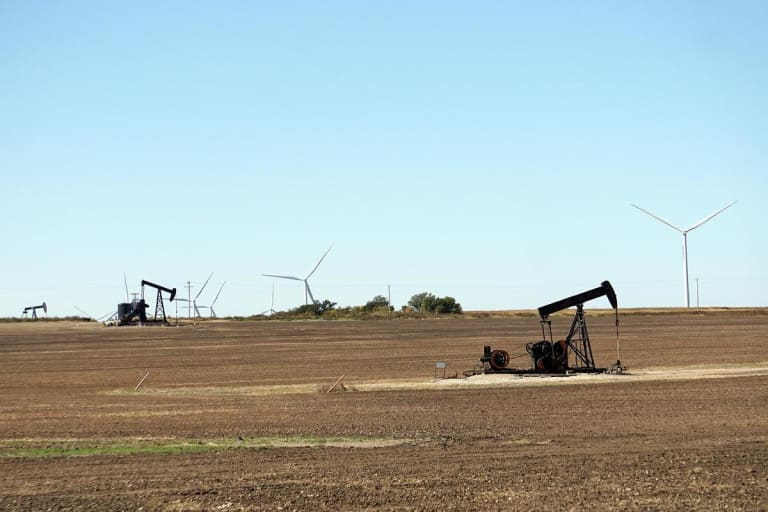
The lack of mandatory targets for reducing oil and gas production is one of the most controversial points. Producer countries such as Turkey and Brazil show reluctance to adopt drastic cuts. Turkish President Recep Tayyip Erdogan recently celebrated oil discoveries in his country, while Brazil, although it led the development of the global map, signals that oil and gas will continue to play a role in its energy mix.
Minister João Paulo Capobianco stated during the event:
Brazil is also an oil producer. We understand what these transitions require of us and know that we need to move forward. We have just approved guidelines and established a working group to develop our national pathway map in the coming months.
Currently, only France, The Netherlands, and Germany have completed their national transition plans.
Seeking a Common Path in the Energy Transition
Brazilian diplomacy emphasizes that there is no single solution for decarbonization. Energy security, access to energy, the use of local resources, and financing are essential pillars to ensure a fair transition.
United Nations Secretary-General António Guterres highlighted the importance of considering each country’s particularities, but reinforced the need for a common goal, noting:
But all paths must go in the same direction. Second, national action alone will not be sufficient. In an interconnected global market, supply and demand must be managed together.
Reports indicate that a 3°C warming could cause a 10% loss of global GDP, contrasting with the growth of renewable energy exports, which surpassed US$ 1.8 trillion in 2025.
Guterres argued:
It is time to stop treating the transition away from fossil fuels as a taboo or something unsolvable. Now, here at COP31, we need to move from discussion about the transition to the organization, financing, and implementation of that transition.
Despite the challenges and resistance to cutting oil production, the debate on the energy transition at COP31 is moving forward, driven by the urgent need to combat climate change and pursue sustainable solutions for the global energy future. Effective implementation of national plans and international cooperation will be crucial in determining the success of this journey toward a greener planet.