
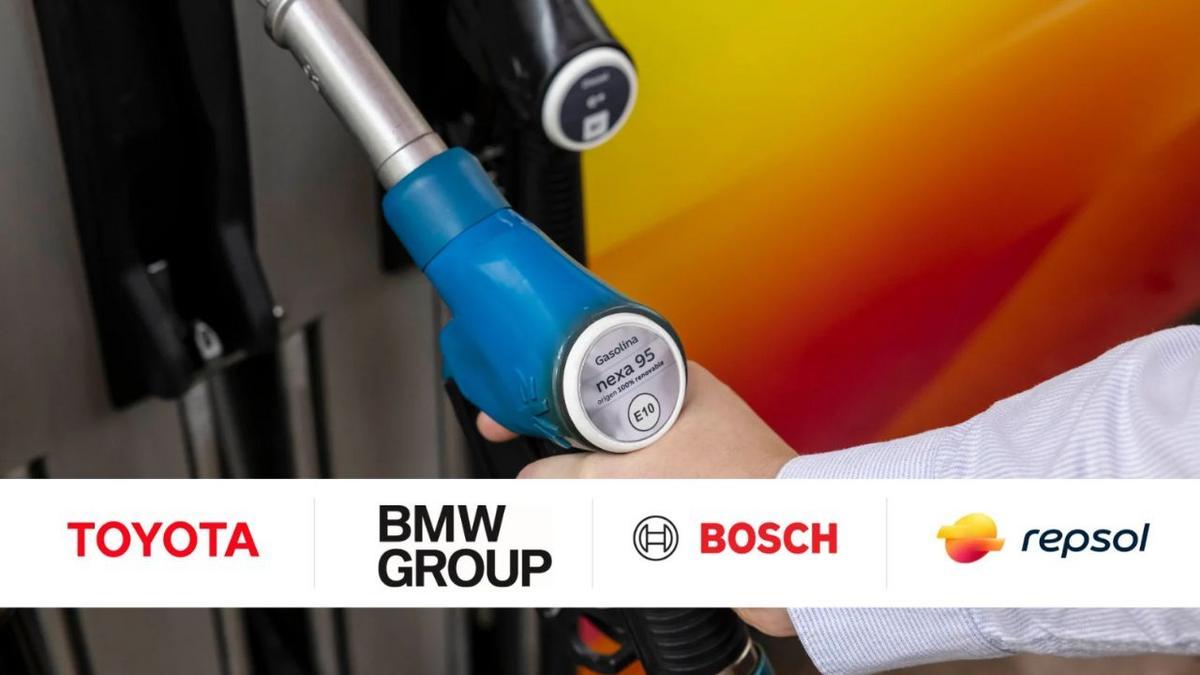
A consortium of automotive and energy giants launched a six‑month project in Spain to test the viability of 100% renewable gasoline in conventional vehicles.
The search for solutions that enable the decarbonization of the existing fleet without the immediate need to replace vehicles with electric models has gained a significant milestone. Since July 2026, Repsol, in a strategic partnership with Toyota Motor Europe, the BMW Group, and Bosch, has put into operation a practical test with about 20 vehicles fueled exclusively with the renewable gasoline Nexa 95.
The central focus of the initiative is compatibility: the cars, which include models from Toyota, Lexus, BMW, and MINI, run on their original combustion engines without any mechanical modifications. The experiment uses the existing fuel station infrastructure in Spain, evaluating how the fuel behaves under real‑world daily use over a six‑month period.
Technology as a guarantor of neutrality
To ensure that the experiment provides accurate data on consumption and fuel origin, Bosch implemented the Digital Fuel Twin solution. This technology creates a “digital twin” of the refueling process, cross‑referencing station network data with the driving records of participating vehicles.
The project leaders emphasize:
“Collecting this information aims to provide a verifiable way to document individual fuel consumption, supporting essential traceability and environmental certification processes within the supply chain.”
Environmental impact and the future of combustion
Nexa 95, produced at Repsol’s industrial complex in Tarragona, is formulated from renewable raw materials that meet stringent European guidelines. According to the oil company, using this fuel can reduce net CO₂ emissions by more than 70% compared to fossil‑based gasoline, considering the entire product life cycle—from production to consumption.
It is important to note that internal combustion continues to produce emissions in the exhaust. The sustainable advantage lies in the carbon balance mitigated by the renewable origin of the raw materials. Manufacturers view this approach as a complementary piece to electrification, especially in a scenario where the European Union sets ambitious targets for carbon neutrality by 2035.
Scenario and outlook
Although the fuel is already available for sale at selected stations in Spain, there is no plan to introduce the product in the Brazilian market. In Brazil, the fuel mix is different, based on the use of ethanol and mandatory biofuel blends, which places the European test in a specific analysis category for the Old Continent’s automotive fleet.
At the end of the six‑month period, expected to begin in 2027, the collected data should serve as a basis for discussions with public policy makers in Europe. The success of the initiative could validate the use of low‑carbon fuels as a viable strategy to extend the life of existing internal‑combustion vehicles, without relying solely on fleet renewal with battery‑powered models.