
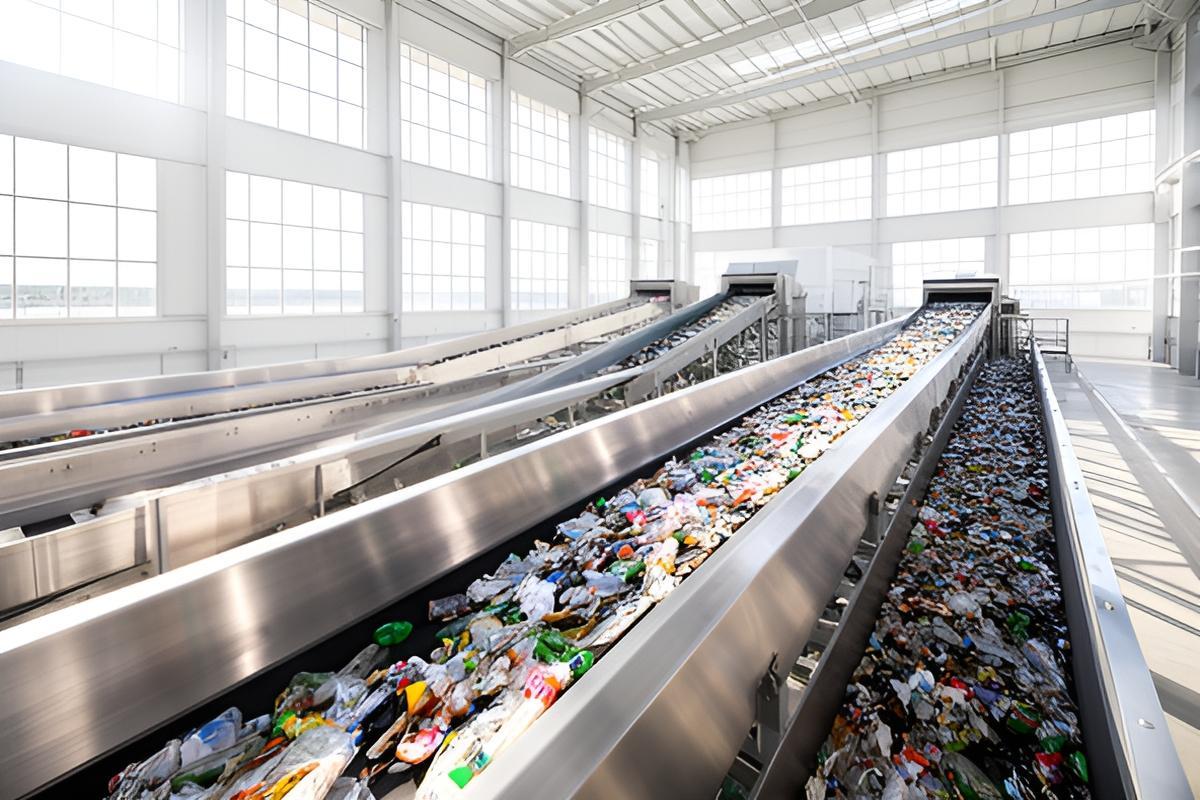
The federal government has formalized the creation of a working group to convert more than 80 million tons of annual waste into sustainable energy sources.
The National Energy Policy Council (CNPE) approved the establishment of the Energy Valorization Working Group for Waste (GT-VER). The initiative aims to map and transform the country’s urban, industrial, and agricultural waste into clean electricity and fuel matrices.
Led by President Luiz Inácio Lula da Silva and Minister of Mines and Energy, Alexandre Silveira, the meeting set guidelines to harness the potential of more than 80 million tons of waste generated annually in Brazil.
The project intends to integrate technological solutions with environmental and social policies, opening space for the expansion of biogas, biomethane, sustainable aviation fuels, and low‑carbon hydrogen.
Matrix diversification and biofuel production
The GT-VER analyses will encompass liquid, solid, and gaseous materials from basic sanitation, livestock, and the industrial sector, as well as residual oils and fats.
The government goal is to use these inputs to generate electricity, industrial steam, and clean fuels for heavy transport and the aviation sector, such as green diesel.
In addition to expanding energy supply, the measures will align with the Brazilian Emissions Trading System (SBCE), strengthening emission reduction mechanisms and the decarbonization of the national economy.
“The central objective is to establish energy valorization when reuse and recycling processes are not technically and economically viable.”
Interministerial coordination and social inclusion
The committee composition brings together representatives from eight ministries, including the House of the President and the Ministry of Finance, as well as regulatory bodies such as Aneel, ANP, EPE, ANA and the Attorney General’s Office (AGU).
The debate also envisions participation from research institutions, the private sector, and cooperatives of recyclable material collectors.
The social coordination will include the Secretary-General’s minister, Guilherme Boulos, and representatives from the Interministerial Committee for Socioeconomic Inclusion of Waste Pickers and Pickers (CIISC), ensuring that economic development is driven by social inclusion.
The final action plan to be presented to the CNPE will outline the regulatory, legal, and economic adjustments essential to consolidate the sector in the country.
The initiative positions Brazil at the forefront of sustainable waste reuse, linking environmental preservation, industrial innovation, and social responsibility for the coming years.