
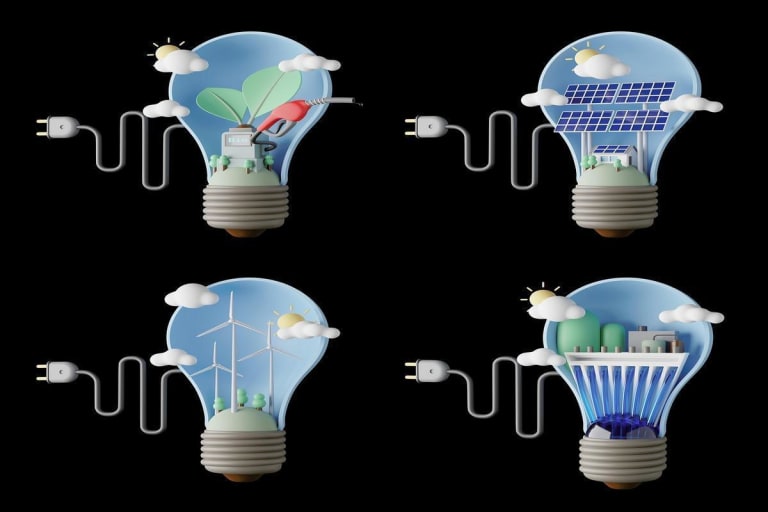
Firjan advocates integrating multiple energy sources as an essential path for industrial energy transition, emphasizing efficiency as a key factor.
The energy transition in the industrial sector should prioritize diversification of sources, combining different technologies to ensure sustainability and competitiveness. This is the view championed by Firjan, which stresses the importance of having a robust energy portfolio to meet the complex demands of industry and achieve emission reduction targets.
Executive Karine Fragoso, manager of Petroleum, Gas and Energy at Firjan, highlighted during EVEx Lisbon 2026 that the availability of multiple energy sources is fundamental. She explained that not all technologies are economically viable or suitable for all types of industry. Therefore, the greater the diversity of energy options, the more resilient and capable industry will become to face its operational and environmental challenges.
The Strategy of Energy Diversification
The strategy of integrating energy sources seeks to maximize efficiency and availability, allowing industries to adapt to changes and decarbonization demands. Diversity not only expands options but can also lead to greater energy supply security, a critical factor for continuous industrial production.
Firjan points to the potential of the state of Rio de Janeiro, which can combine nuclear energy with natural gas from the pre-salt and offshore wind development. This strategic combination aims to strengthen the local energy mix, leveraging available resources and new technologies.
We currently have a range of technologies available, some already economically viable, others still in the process of feasibility. And some of them are highly suitable for certain industries, others less so. Therefore, the more diversity we have, the greater the opportunity for energy availability, and the better industry can respond to its challenges.
Energy Efficiency: A Pillar of the Transition
Beyond diversification, energy efficiency emerges as an equally vital component in the decarbonization process. Karine Fragoso highlighted that, in many cases, optimizing energy consumption can be even more effective than simply replacing sources. Investing in technologies and practices that reduce waste and increase energy productivity is a practical and economically advantageous path.
This efficiency approach directly contributes to reducing the industry’s carbon footprint, aligning operations with global sustainability goals. Firjan reinforces that the energy transition is not a single process, but rather a set of interconnected strategies that must consider economic viability and resource availability.
The Strategic Role of Natural Gas and Renewable Sources
Natural gas, for example, is viewed as an important transition fuel, with a low emission index compared to other fossil sources. It plays a crucial role as an input for sectors such as petrochemicals and fertilizer production, while also providing energy security and support for the intermittency of renewable energies like wind and solar.
The oil and gas industry, in particular, has a wealth of information on emissions, and Brazil stands out for having a globally cleaner energy mix. However, the country still faces challenges related to low per‑capita energy consumption and the need to expand its capacity to meet growing demand.
Firjan emphasizes that economic viability is a determining factor for energy solutions—including diversification and efficiency—to be accessible to both industry and the agricultural sector, promoting more sustainable large‑scale development.