
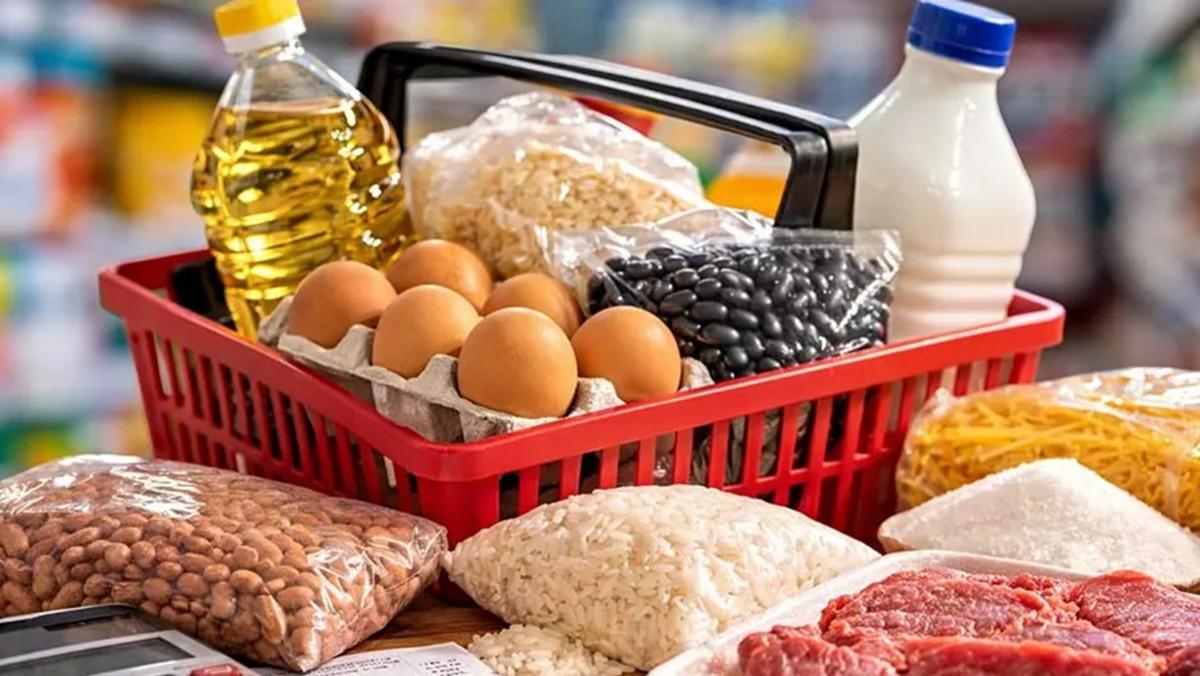
The cost of the basic food basket rose again in seven of the eight Brazilian capitals monitored in September, with prices pressured by higher costs of vegetables and rice on the shelves.
Food inflation once again weighed on the wallets of Brazilian consumers in September. Recent data from the Neogrid & FGV IBRE index show that in seven of the eight capitals examined, the cost of essential items increased, breaking a cycle of relative stability that had been observed in the previous month.
The situation is a warning, especially in urban centers such as São Paulo, where the basic basket hovers near the psychological threshold of R$ 1,000. While the cost of living in the capitals shows an upward trend, regional disparities remain a decisive factor for household budgets, highlighting significant inequalities in the cost of basic food across the country.
The pressure of vegetables and the rise of rice
The main driver of this adjustment was the rebound in vegetable prices. After a brief lull, these products rose sharply again, with the capital of Minas Gerais, Belo Horizonte, recording jumps of over 40% in this segment.
Another culprit of the month was rice. The grain, which forms the base of the national diet, did not relent and increased in all surveyed locations, with the steepest hikes detected in Brasília. In contrast, there was a brief relief in the price of coffee and beans, which fell in most markets.
Climate volatility and off‑season cycles continue to dictate the rhythm of the shelves, demanding extreme caution in financial planning and consumption for Brazilian families.
Regional disparity and future trends
The survey shows that Curitiba led the monthly gains, with a 3.37% change in the basket cost. On the other hand, Manaus was the only positive exception in the period, recording deflation, which demonstrates a heterogeneous price behavior across the national territory.
The gap between the most expensive basket in São Paulo and the most affordable one in Belo Horizonte already exceeds 29%. In the coming months, the expectation is that purchasing power will continue to be tested. Analysts from FGV IBRE indicate that weather conditions remain the key factor on the balance sheet, being the main source of uncertainty for short‑term food price stabilization.