An analysis by FGV Ibre indicates that the basket of products and services for Children’s Day has become 0.82% cheaper over the last 12 months, providing relief to family budgets.
Brazilian families are facing a more favorable pricing environment for this year’s Children’s Day celebrations. According to the IPC-M survey conducted by FGV Ibre, the average cost of the commemorative basket saw a 0.82% reduction in the 12-month period ending in September 2026.
This result is particularly positive when compared to the country’s general inflation rate, which stood at 3.92% over the same period. The decline is primarily driven by a drop in industrial goods prices, which fell by nearly 1%, while inflation in the services sector showed a deceleration trend, ending at 2.26%.
Price trends for gifts
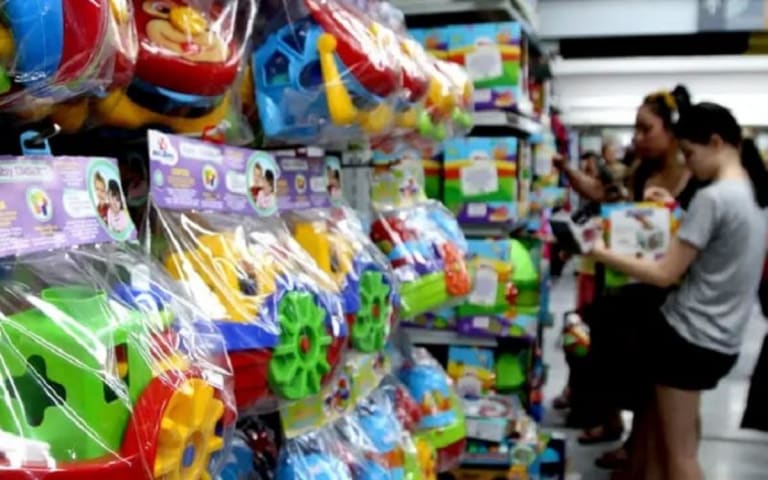
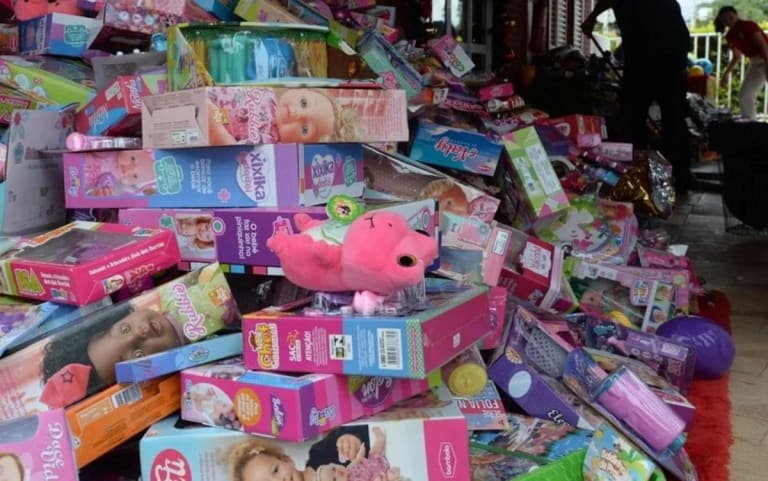
The lower cost of durable consumer goods was the main driver of the deflation seen in the basket. Among the items with the most significant price drops were movie tickets, which saw a sharp decline of 21.25%. The apparel and entertainment sectors also contributed, with notable price decreases in children’s footwear (-3.99%), dolls (-2.66%), and smartphones (-1.69%).
However, not all expenses followed the same trend. Inflation remains present in items related to leisure and food, which requires consumers to be careful when planning their gifts and celebrations.
The study’s technical analysis notes:
The shift in the inflation trajectory shows a lower cost for acquiring durable goods, creating a direct contrast with the rising costs of experiences and leisure outside the home.
Leisure and food put pressure on budgets
While purchasing gifts has become more accessible, recreation services and dining out have seen price hikes. Data from the survey shows that sweets and snacks rose by 6.91%, followed by recreational clubs (6.49%) and non-textbook books (4.41%).
These adjustments, which range between 5% and 7%, reflect a shift in family consumption habits. The trend for the coming months suggests that while consumer goods have stabilized, the services sector—which includes experiences and leisure—remains the primary source of inflationary pressure. For the consumer, the best strategy will be to balance the purchase of durable items, which are falling in price, with stricter planning regarding entertainment and dining expenses.