Embrapa issues strategic guidelines for the agricultural sector to mitigate the impacts of El Niño on the 2026/2027 harvest, focusing on climate resilience and sustainability.
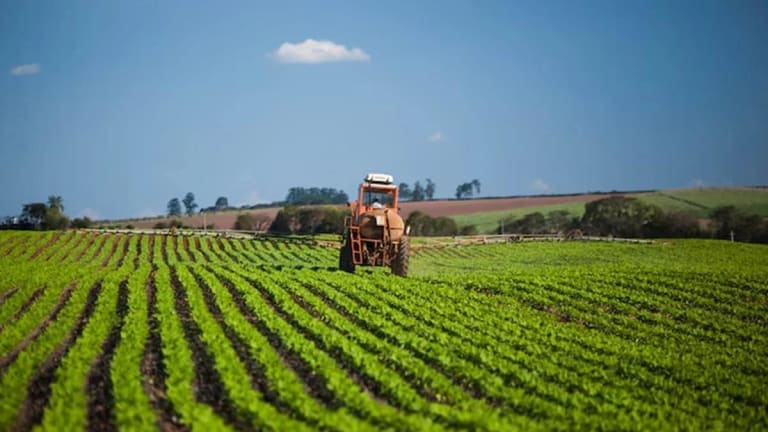
The Brazilian Agricultural Research Corporation (Embrapa) has just published a set of technical guidelines for the Brazilian agribusiness sector in response to forecasts of climate instability associated with the El Niño phenomenon for the 2026/2027 cycle. The main objective is to provide producers with tools to anticipate risks and adjust production management.
With projections indicating severe fluctuations, such as heavy rains in the South and prolonged periods of drought in other parts of the country, advance planning becomes the cornerstone for ensuring food security and the economic stability of the productive sector.
Strategies by Macro-Region
The recommendations from the public research institution detail specific actions for each area of the country. In the South, the primary alert is directed toward soil saturation and erosion risks, requiring efficient drainage systems.
In the Northeast’s semi-arid region, the priority lies in water capture and storage, as well as the use of seeds and cultivars more tolerant to drought. In the North, the monitoring of river levels dictates the pace of the agricultural calendar.
In the Southeast, the focus is on combating water and heat stress that threatens strategic crops, such as coffee production and grain farming in vulnerable zones.
Advance planning and strict adherence to the Agricultural Climate Risk Zoning are essential to protect national productivity against extreme climate volatility in the coming years.
Sustainability and Next Steps
Beyond adjustments to planting schedules, the technical notes encourage the creation of forage reserves for livestock and the adoption of soil conservation practices. Efficient management of water resources has gained absolute prominence.
With these measures, the national productive sector seeks not only to navigate the adverse cycle without catastrophic losses but also to consolidate energy transition and low-carbon management practices, which are essential for the future of clean energy and sustainable production in Brazil.