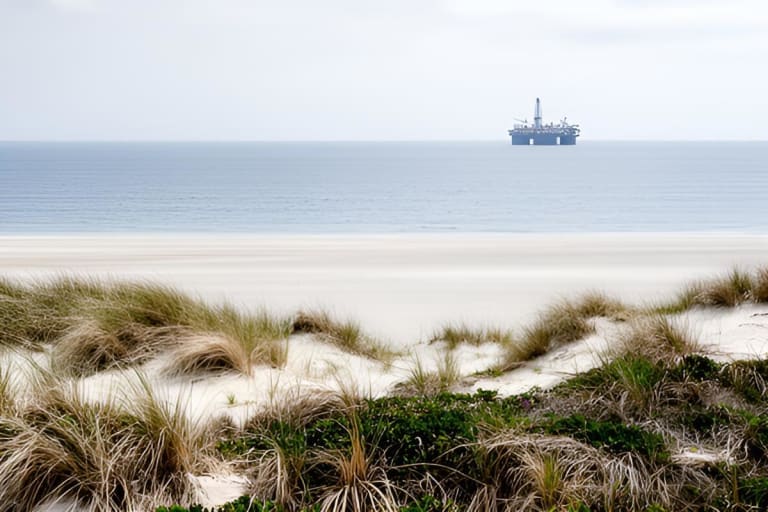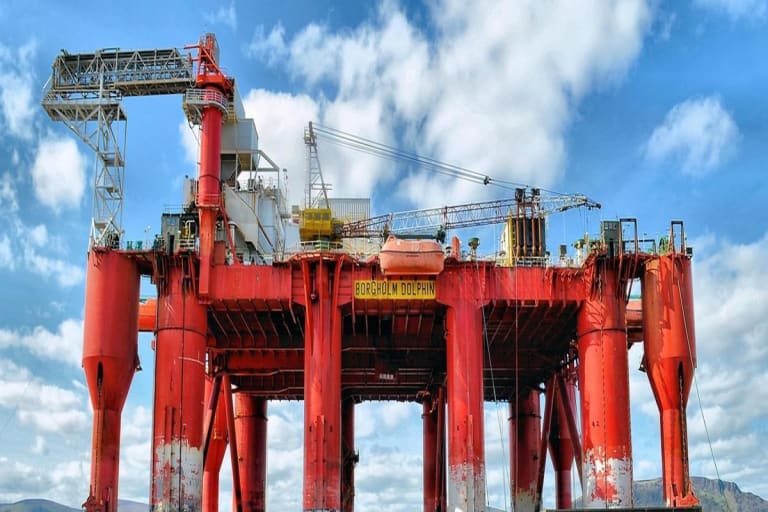
The recent discovery of hydrocarbons off the coast of Amapá is opening up new prospects for the offshore sector, consolidating a cycle of multibillion-dollar investments that requires an expansion of Brazil’s naval infrastructure.
The identification of oil traces at the Morpho well, located in block FZA-M-59, marked a strategic turning point in Brazil’s Equatorial Margin.
Although the find is in an early exploratory stage, with no guarantees of immediate commercial viability, it comes amid intense financial activity by Petrobras.
This scenario reinforces the need for robust support infrastructure.
With an ambitious business plan projected for the 2026-2030 five-year period, the Brazilian state-owned company is targeting investments in the range of $109 billion, with the majority directed toward Exploration and Production.
Fleet expansion and impact on the shipbuilding industry
The heating up of the offshore market directly affects the maritime supply and services chain.
With the goal of deploying eight new production systems by 2030 and bringing the Búzios field to a level of 11 operational FPSOs by 2027, the demand for logistical support has become critical.
The company’s planning includes contracting 78 new vessels, including coastal support units, barges, and offshore support ships.
This move directly benefits the domestic shipbuilding industry, which already accounts for the majority of the fleet operating in the country.
Leandro de Carvalho Henrique, an executive at Camorim Serviços Marítimos S/A, highlighted:
The next growth cycle for offshore production will depend not only on available oil, but also on the capacity of companies and the entire supply and service chain to keep pace with this movement.
The future of offshore operations
In addition to technological challenges, the sector is experiencing a transformation in operational management.
Integrating new production units requires not only vessels, but also maintenance solutions, cutting-edge technology, and a highly qualified workforce.
The potential consolidation of new exploratory frontiers, such as the area near Amapá, will require the market to be ready to scale rapidly.
For suppliers and service providers, the challenge is balancing high short-term demand with the sustainability and governance goals required by today’s market.
As Petrobras advances its projects, the success of this expansion will depend on the synergy between exploration volume and the readiness of the Brazilian supply chain.
Today, the Morpho well stands as a symbol of an opportunity that could dictate the pace of national maritime infrastructure in the coming years.