The 2036 Ten-Year Energy Expansion Plan indicates that Brazil could reach 13 GW of operating flexibility by integrating batteries, pumped-storage hydroelectric plants, and strategic demand response into the national grid.
Brazil’s power sector is undergoing a profound transformation, driven by the need to balance the grid amid the rapid expansion of intermittent energy sources.
According to the public consultation for the 2036 Ten-Year Energy Expansion Plan (PDE 2036), the country is set to strengthen its operating flexibility with the goal of reaching 13 gigawatts (GW) of extra capacity by 2036.
This move is vital to ensure the stability of the National Interconnected System (SIN), especially in the face of accelerated growth in distributed generation and changing consumption profiles.
The planning focuses on three main pillars: large-scale energy storage, efficient use of demand response, and the exploration of pumped-storage hydroelectric plants.
The rise of batteries and new grid solutions
Energy storage takes center stage in the new planning.
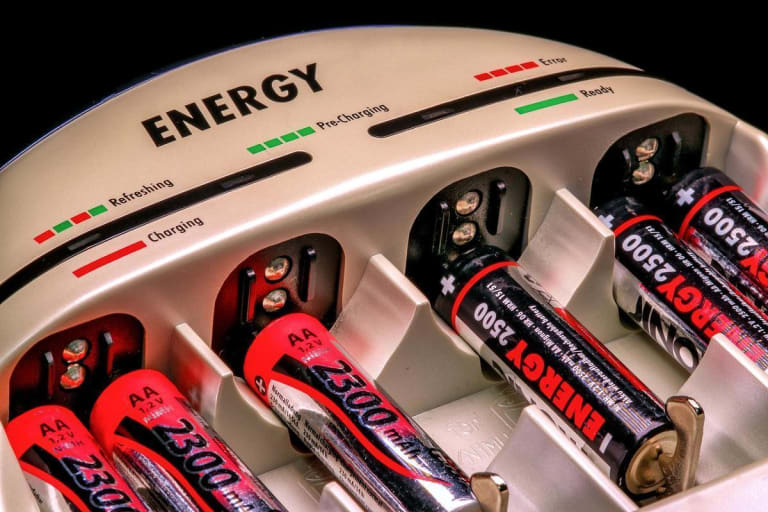
The PDE 2036 raised the projected contribution of batteries to 7.2 GW, surpassing the estimate from the previous document.
This advancement will be put to the test in the upcoming capacity reserve auctions scheduled for December, which will serve as a crucial benchmark for the commercial viability of these projects in Brazil.
Another important driver is demand response, which jumped from 3.2 GW to 4 GW in the official projections.
This mechanism, which compensates large consumers for shifting their hours of use, becomes an essential management tool to prevent load peaks.
Complementing this portfolio, pumped-storage plants could add 2 GW to the system, provided that market arrangements evolve to properly remunerate the ancillary services provided.
“These are new markets expanding within a context of intense changes in the generation and consumption profile of the power sector.”
Consumption projections and the electrification challenge
The expansion of flexibility responds to a growing demand projection, which is expected to advance at an average rate of 3.4% per year.
By 2036, national consumption is projected to reach 979 TWh, driven by the massive arrival of data centers, the popularization of electromobility, and the development of the renewable hydrogen supply chain.
The data center sector alone, for example, is expected to experience a tenfold jump in electricity consumption, reaching 30 TWh.
With distributed micro and mini-generation reaching a park of 92 GW, the grid will need intelligence and rapid response capacity to integrate these sources without compromising energy security.
The success of these targets, however, still faces regulatory dilemmas.
The sector continues to debate how to structure economic models that balance costs and guarantee supply, in a transition where infrastructure must be able to support both the decentralization of generation and modern industry’s appetite for clean energy.
The next auction cycle will be the first practical step in turning these projections into active infrastructure.