TransJordano has inaugurated a green logistics corridor powered by biomethane connecting the interior of São Paulo to the Port of Santos, driving energy transition in the transportation sector.
The pursuit of cleaner energy matrices in Brazil’s transportation sector has received a significant boost. TransJordano has officially opened a logistics axis dedicated to supplying biomethane-powered vehicles, connecting strategic cities in the interior of São Paulo to the coast.
This pioneering initiative represents a major milestone for the decarbonization of the national supply chain. By enabling heavy fleet traffic to run on a renewable fuel, the project directly addresses one of the main sources of greenhouse gas emissions in long-distance logistics.
Strategic Infrastructure for Clean Fuels
The new green corridor was structured to address a long-standing shortcoming in the renewable gas market: the lack of refueling stations along highways. To make the operation viable, strategic points were established in Cubatão, Sumaré, and Ribeirão Preto, forming a safe and continuous route for trucks.
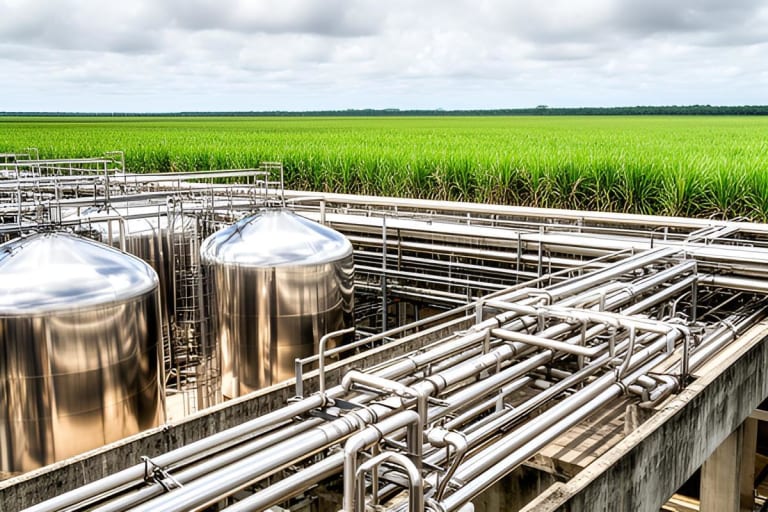
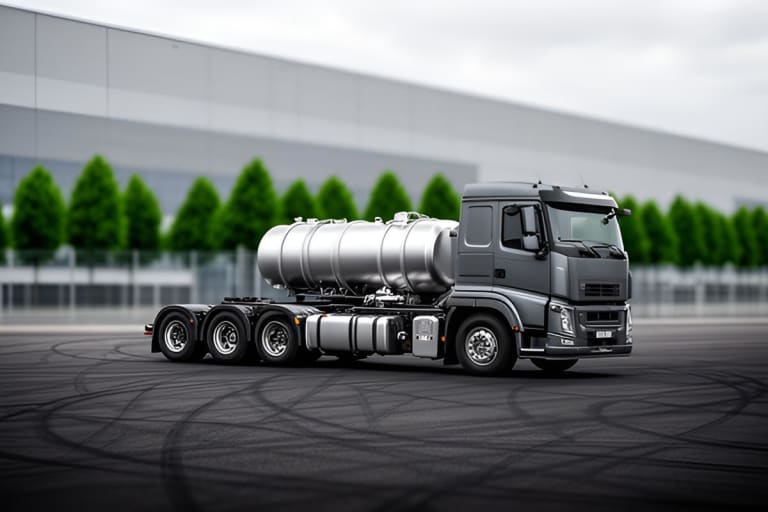
The company’s ambitious project plans for a dedicated fleet of one hundred biomethane-powered vehicles. This technological transition replaces fossil diesel with a sustainable alternative generated from the valorization of organic waste, thus closing the circular economy loop.
When we started studying biomethane, we realized that one of the biggest obstacles was having nowhere to refuel along the routes. Since we already had the experience of GarageLog and major operations in Cubatão, Sumaré, and Ribeirão Preto, we designed the three points and structured the Green Corridor. What was born to serve our operation can today also be used by other carriers and contribute to the decarbonization of Brazilian logistics.
Environmental Impact and Future Outlook
According to an independent audit conducted by Bureau Veritas, the integrated operation of this logistics corridor will prevent the emission of approximately 6,486 tons of carbon dioxide equivalent per year. This volume demonstrates the immediate environmental effectiveness of replacing fossil fuels on high-volume cargo routes toward the Port of Santos.
With the consolidation of this infrastructure, the clean energy sector is advancing the establishment of green routes across the country. The expectation for coming years is that the model will serve as a reference for other regions, attracting new investments in biofuels and expanding the service network for third-party fleets.