The race for critical minerals and the expansion of AI call into question the sustainability of energy and digital transitions, sparking debates over global costs and responsibilities.
The growing demand for minerals essential to the energy transition and the rapid expansion of artificial intelligence (AI) infrastructure are significantly impacting resources such as minerals, energy, and water.
This duality, where solutions to the climate crisis increase pressure on ecosystems and communities, is the central focus of the new international collection Empire of Extraction: Capital, Crisis, and Struggles for Climate Justice.
Edited by Brazilian scholar Elisangela Soldateli Paim, the work provides an in-depth analysis of contemporary extractivism and its intricate connections to the climate emergency.
The publication, officially launched in October during an international conference in Sarajevo, exposes the contradiction of a world seeking to decarbonize while simultaneously expanding the consumption of natural resources to fuel new technologies.
The Transition Paradox: Renewable Energy vs. Mineral Demand
The expansion of renewable energy and digital technologies, including artificial intelligence, paradoxically increases the need for rare and critical minerals.
The Empire of Extraction collection addresses this complex issue through case studies spanning Latin America, Europe, Africa, Asia, and the United States.
The work highlights how the search for solutions to global warming can reproduce and even intensify long-standing patterns of exploitation and inequality.
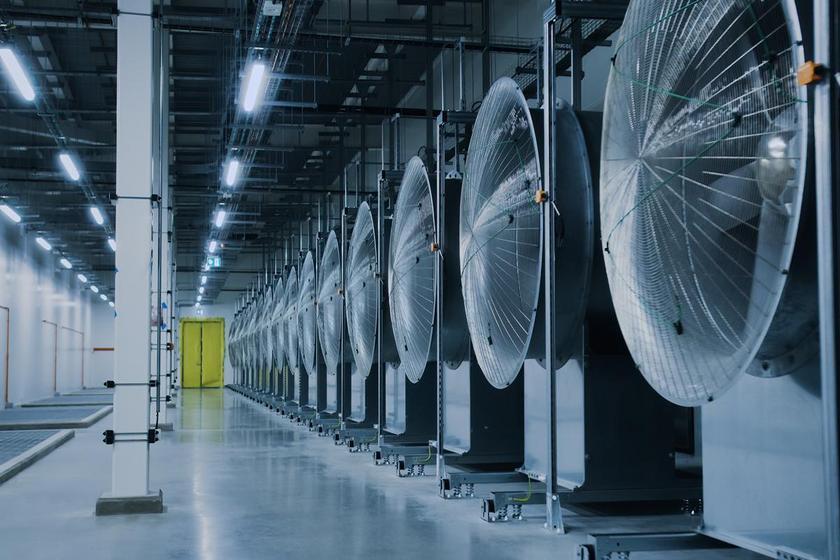
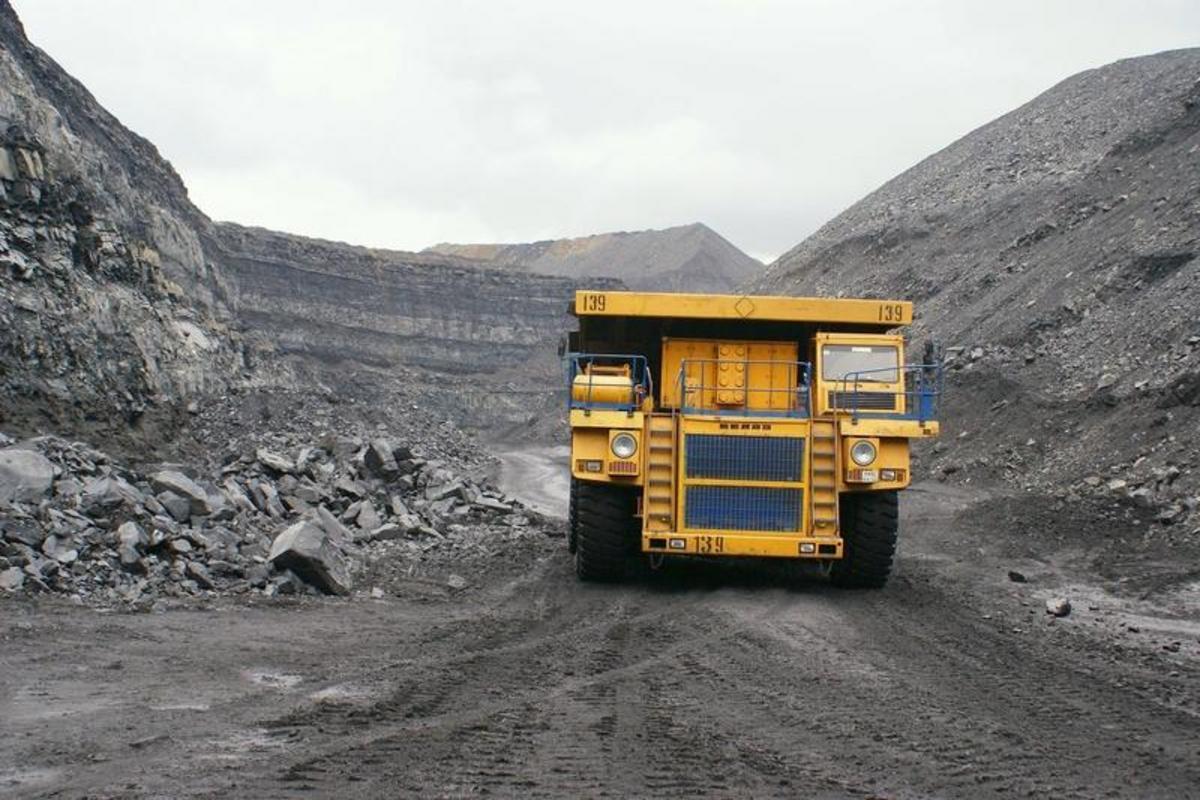
Divided into four volumes, the book investigates the extraction of minerals for batteries and clean energy systems, the growth of digital infrastructure such as data centers and cryptocurrencies, mechanisms for climate financing, and the intersections between extractivism, social inequalities, and environmental racism.
By mapping who holds control over resources and who bears the socio-environmental costs, the collection invites a deeper reflection on justice within the transition.
Elisangela Soldateli Paim stated:
Environmental justice requires looking at the transition beyond decarbonization. We must discuss who controls its means, who appropriates the gains, and who pays the social and ecological costs of this process.
EcoSoc Conference Sarajevo: A Platform for Crucial Debates
The launch of the collection coincided with the EcoSoc Conference Sarajevo, an event that debated the need for transformations that go beyond superficial green transitions.
The conference brought together researchers, activists, and social movements to discuss strategies across various fields, including production, labor, and energy, with a clear focus on building alliances for social and ecological justice.
During the conference, the session Decolonising Ecosocialism: Struggles, Knowledge and Transformation was moderated by Elisangela Soldateli Paim, alongside figures such as Ashish Kothari (India) and Nnimmo Bassey (Nigeria).
The debate explored how indigenous, peasant, and community-led struggles in the Global South can inspire models of territorial self-governance and community-led energy transitions.
The Empire of Extraction collection and the debates fostered in events like the EcoSoc Conference in Sarajevo are fundamental to questioning the assumption that isolated technological advancements guarantee a just transition.
They emphasize the importance of analyzing power relations, territorial impacts, and the equitable distribution of benefits and costs in a world navigating the complexities of sustainability and the digital revolution.