The runoff election debate highlights distinct visions for the future of Brazil’s electricity sector, focusing on energy security, sustainable transition, and lower consumer tariffs.
With the electoral scenario defined, the clean energy sector and national electricity infrastructure have become central points of public debate. Candidates Luiz Inácio Lula da Silva and Flávio Bolsonaro are presenting strategic guidelines that will shape Brazil’s energy development starting in 2027. While both acknowledge the need for a robust and reliable system, their approaches to achieving operational efficiency and reducing electricity bills diverge significantly.
An analysis of their government platforms reveals a consensus on the importance of energy security, but with varied methods for integrating new energy sources. As the debate on tariff affordability gains momentum, the market is closely watching proposals for expanding the transmission grid and incentivizing the use of advanced technologies, such as energy storage systems, which are essential for the maturation of renewable energy in the country.
Pathways to Lower Energy Bills and Sustainability
Lowering electricity bills is a promise from both sides, but with distinct strategies. Flávio Bolsonaro‘s proposal focuses on rationalizing surcharges and the gradual reduction of the CDE (Energy Development Account), prioritizing tariff simplification. On the other hand, Lula‘s platform is based on tariff fairness, seeking an economic-financial balance that makes electricity costs more accessible to both households and the productive sector.
Lula’s program links the energy transition to industrial policy, aiming to add value to battery, low-emission hydrogen, and bioproduct supply chains to strengthen the national economy.
Storage Technology and Modernization
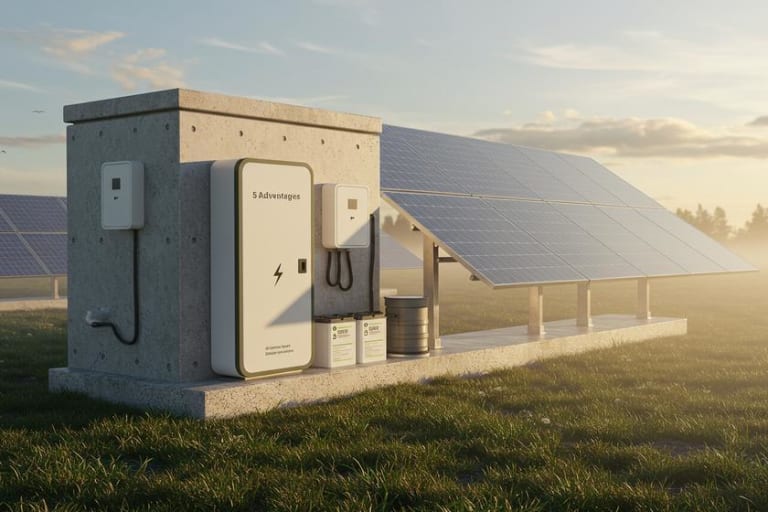
The use of large-scale batteries is a point of convergence for innovation. Flávio Bolsonaro relies on attracting private capital to position Brazil as a global hub for sustainable data centers, leveraging its renewable energy matrix. Meanwhile, Lula‘s proposal integrates energy storage into industrial development, aiming not only to support the grid but also to create a local production chain for batteries and sustainable technologies.
Expansion of Renewables and Fuel Infrastructure
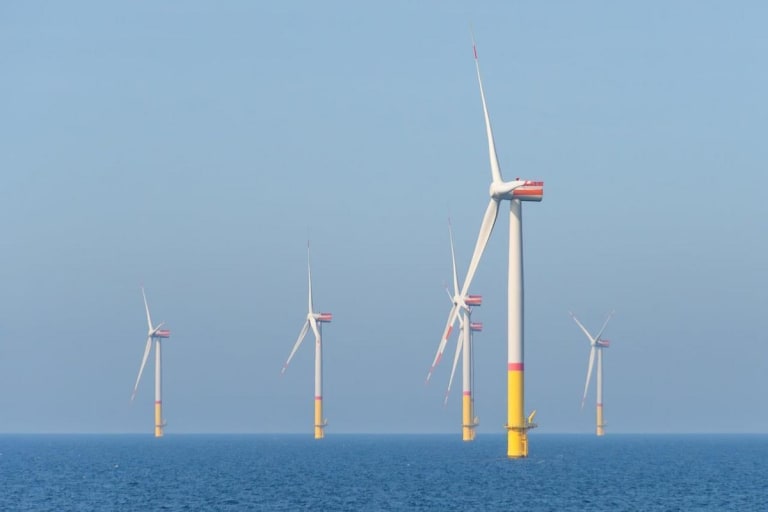
To integrate wind and solar generation, modernizing the transmission grid is urgent. Flávio Bolsonaro emphasizes the need for legal certainty to attract private investment for modernizing this infrastructure. Complementarily, Lula‘s plan bets on the continuity of transmission auctions and systemic coordination between generation expansion and energy outflow, ensuring that Brazil’s energy potential is fully utilized.
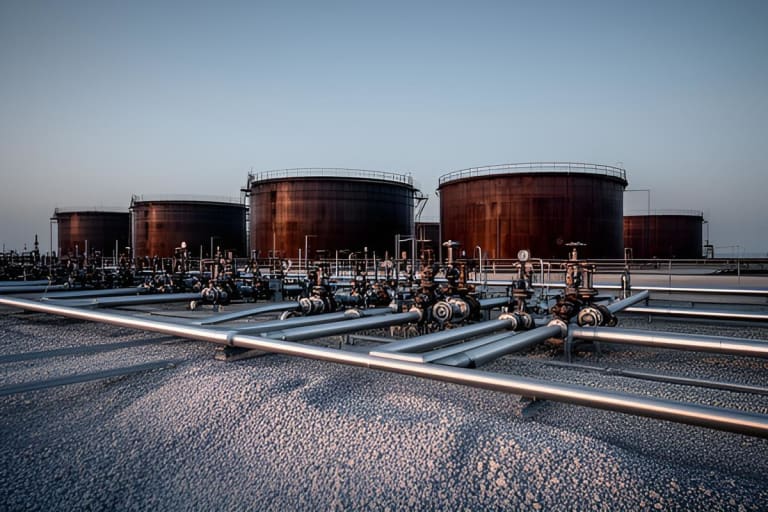
Regarding fuels, the biofuels sector is seen as a central pillar of the transition. Both candidates reinforce the role of RenovaBio (Brazil’s National Biofuels Policy), although with different plans for Petrobras. While one favors opening up natural gas to the private sector, the other defends the state-owned company’s leading role in exploration and the energy transition, focusing also on decarbonizing public urban transportation.
Regardless of who wins, the future of Brazil’s electricity sector will be marked by the need for a swift and balanced transition. The impact of these policies will be felt in the competitiveness of national industry and in citizens’ wallets, making the electoral choice a watershed moment for investments in sustainability and the technological modernization of the country’s energy park.