Brazil’s solar energy market is undergoing a significant restructuring of its imports, prioritizing inventory control and boosting battery technology.
The national clean energy ecosystem is in a phase of profound transformation in its import strategies. Following an intense cycle of acquisitions driven by tax incentives and regulatory adjustments, the sector is facing a period of logistical readjustment.
Companies’ focus is now shifting towards optimizing inventories and incorporating new technologies that promise to redefine the future of photovoltaic generation in the country.
This shift occurs in a global scenario where the energy transition is reaching historic levels. With the continuous expansion of renewable capacity worldwide, Brazilian players must deal with complex variables, ranging from fluctuations in maritime transport costs to the growing demand for flexibility and stability solutions for power grids.
Inventory Adjustment and Market Consolidation
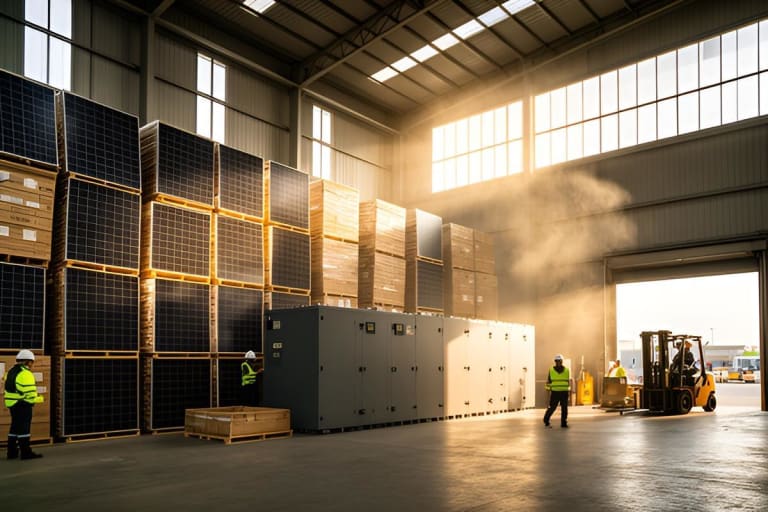
The race to anticipate purchases and take advantage of tax incentive quotas led to a significant volume of goods entering national ports in recent years. However, this accelerated pace resulted in oversupply, necessitating a period of adjustment.
Experts point out that smaller companies, facing cash flow challenges and rising operational costs, have reduced direct imports from China, concentrating operations with large, consolidated distributors.
In parallel, the drop in international solar panel prices has altered the financial dynamics of the supply chain. With hardware becoming cheaper, the cost of maritime freight has become a critical factor for project viability.
Oscillations in global routes or ship availability force importers to double down on planning to avoid impacting project profit margins.
The Energy Storage Revolution
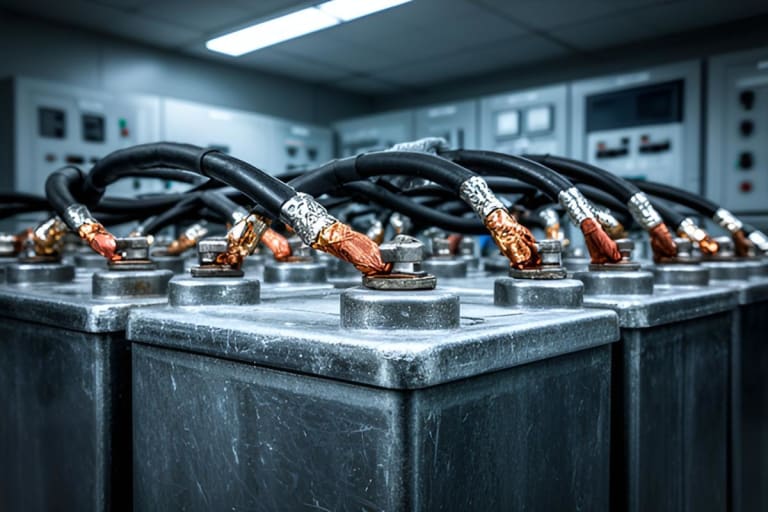
With the maturity of the panel market, the import of battery energy storage systems (BESS) emerges as the new frontier for the sector. The integration of these solutions is seen as an essential step to ensure the reliability of energy supply, especially in large plants and commercial applications.
Experts state:
The future of solar is directly linked to the increased use of batteries and storage systems.
The transition to this new class of equipment, however, brings unprecedented logistical challenges. Lithium-ion batteries are classified as dangerous goods and require strict handling protocols.
Large-scale systems, structured in containers and weighing tens of tons, demand adequate port infrastructure, specialized transport, and strong technical training for local integrators.
Convergence with Electric Mobility and Future Prospects
Another trend gaining traction is the synergy between photovoltaic energy and charging infrastructure for electric vehicles. The creation of charging stations powered by renewable sources and supported by batteries opens a range of opportunities for business diversification, uniting the electricity market with sustainable transportation.
Despite debates about the nationalization of the production chain, China remains the main source of essential components, such as cells and modules, while strategic ports like Santos, Paranaguá, and Suape continue to be the main entry points.
For the coming years, the sector’s success will depend on its ability to align logistical agility, cost management, and adaptation to new technological demands.