Financial flows for climate action in Latin America have reached record highs, yet the disparity between renewable energy and fossil fuels still reveals a critical challenge for the global energy transition.
The landscape of climate investment in Latin America and the Caribbean has shown a striking duality in recent years. Recent data from the Climate Policy Initiative (CPI) reveals that funding for climate mitigation and adaptation actions has doubled since 2020, jumping from US$54 billion to an impressive US$108 billion in 2024. This progress signals a growing commitment from the region to the sustainability agenda and the pursuit of a more balanced energy matrix.
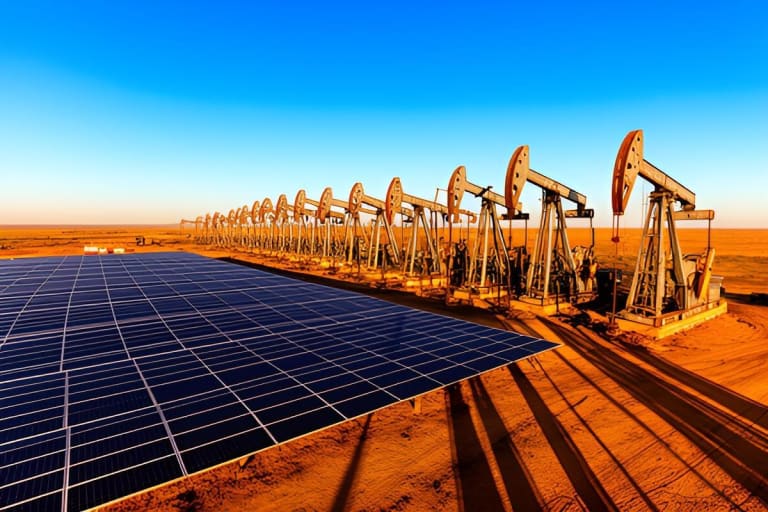
However, the optimism surrounding the surge in figures clashes with a reality still dependent on traditional sources. Despite significant growth in renewable energy, financial flows directed towards fossil fuels in the region remain substantially higher. The discrepancy between capital funding a green future and that which sustains historical dependence on coal, oil, and gas is the main point of concern for experts in the energy transition.
The disparity in energy financing
Analyzing the allocation of resources, the CPI points out that in 2024, clean energy projects received approximately US$43 billion. In contrast, information from the International Energy Agency indicates that the fossil fuel industry attracted a much larger volume: US$95 billion in the same period. This scenario demonstrates that, while green capital is on the rise, the flow of investment to high-carbon emission sectors remains robust, jeopardizing established climate goals.
Sean Stout, a senior analyst at the CPI, stated:
It is necessary to mobilize new resources for the climate transition, but also to redirect financing that is not aligned with it.
Challenges in combating global warming
The continued high levels of investment in oil, gas, and coal represent a direct barrier to mitigating the impacts of climate change. According to the CPI, the ongoing allocation of resources to these areas not only neutralizes some of the gains achieved by renewable sources but also prolongs the global dependence on burning fuels, which is currently the primary cause of the planet’s rising temperatures.
The region’s future, therefore, depends on a strategic shift in how capital is allocated. The challenge for the coming years involves not only attracting new resources for sustainability but, essentially, implementing public policies and financial incentives that promote the gradual redirection of funds. The decarbonization of the Latin American economy will be measured by the effectiveness in halting funding for polluting sectors while aggressively scaling up the use of clean and renewable sources.