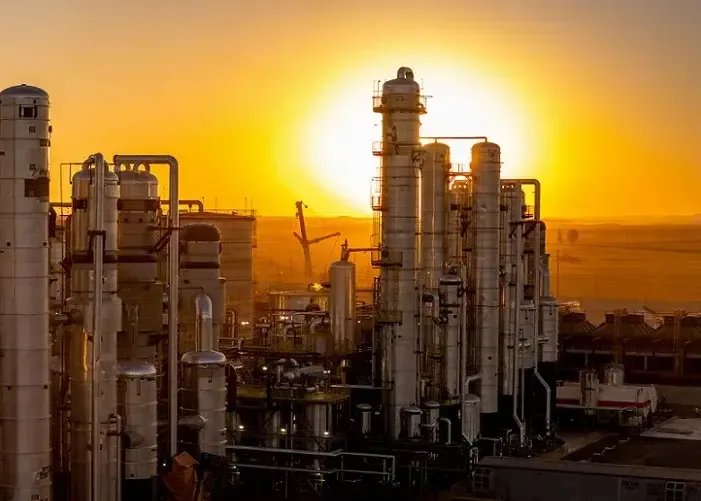
TECO 2026 gathered industry leaders in São Paulo to discuss the future of corn and cereal ethanol production, focusing on exports and domestic market penetration.
The 12th edition of TECO 2026 highlighted the main operational bottlenecks and growth prospects for the corn and cereal ethanol market in the country.
Hosted by Novonesis in the state capital, the forum brought together executives, rural producers, and clean energy experts to outline the outlook for domestic bioenergy.
The event served as a barometer to evaluate how the supply chain can attract new financial investment, both domestically and abroad.
Among the core topics was the need to establish new distribution routes and increase the share of biofuels in the global energy mix.
Decentralization and new markets
One of the most debated points was the geography of domestic consumption for hydrous ethanol.
Currently concentrated in major hubs across the states of São Paulo, Paraná, Minas Gerais, Rio de Janeiro, Mato Grosso, and Mato Grosso do Sul, the strategic objective is to advance the regional expansion of this demand to make distribution more efficient.
Beyond traditional road transport, the sector is targeting high-value market segments, such as sustainable aviation fuel and maritime transport.
These fronts are viewed as crucial for accelerating decarbonization and diversifying industry revenues.
The expansion of cereal processing and the diversification of co-products represent a turning point for the competitiveness of the Brazilian energy industry in the coming years.
Valuing co-products and industrial efficiency
The profitability of industrial plants was also at the center of the panel discussions.
The rise of DDGS as a key ingredient for the poultry and pork industries took center stage, as did maximizing the commercial value of corn oil.
Another factor addressed was operational integration.
Experts discussed how to optimize flexible facilities capable of processing both sugarcane and corn simultaneously, ensuring a continuous supply of raw materials throughout the year.
With the conclusion of the forum, the Brazilian energy sustainability sector reinforces its commitment to technological innovation.
The next steps will require coordination between producers, the government, and the logistics chain to make the expansion goals projected for the next decade viable.