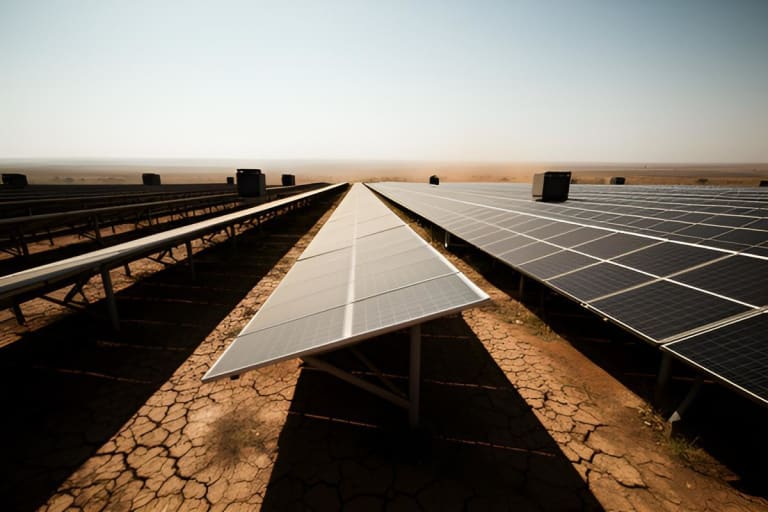
Clean energy wasted in Northeast Brazil is triggering legal disputes and driving away billions in investments while the country lags in electrical infrastructure expansion.
Brazil’s energy transition faces a concerning paradox in the Northeast region, where wind energy and solar energy plants are operating below maximum capacity.
The rapid construction of generation plants has outpaced the capacity of transmission lines, creating a scenario where clean electricity is discarded due to a lack of transmission capacity.
The legal controversy surrounding financial compensation for these interruptions, technically known as curtailment, has recently taken on new dimensions.
Federal courts have rejected requests from producer associations to expand financial compensation, maintaining a standoff that worries the renewable energy market.
The scale of waste in the electricity sector
Curtailments in sustainable energy generation have gone from isolated incidents to routine occurrences.
Operational data show that the ONS has had to order shutdowns equivalent to the total capacity of Itaipu in a single day simply because the transmission grid could not handle the flow.
Market projections point to billion-dollar losses in developers’ revenues, directly impacting the appetite for new investments in the region.
Dozens of projects have already returned their operating licenses to Aneel, resulting in billions in investments that failed to inject vitality into the local economy.
The lack of clear rules and the mismatch between generation and transmission expansion threaten the future of the country’s energy transition.
Pathways to unlock infrastructure
While transmission bottlenecks used to be the main culprit, the current scenario shows that excess supply is also placing pressure on the system.
Uncertainty over who absorbs the costs of these financial losses keeps the regulatory environment unstable and drives up credit costs for the sector.
For Brazil to fully harness its energy transition potential, experts point out that regulatory planning must go hand in hand with network expansion.
Otherwise, the country will continue to waste not only precious megawatts, but also investor confidence in the free and regulated electricity markets.