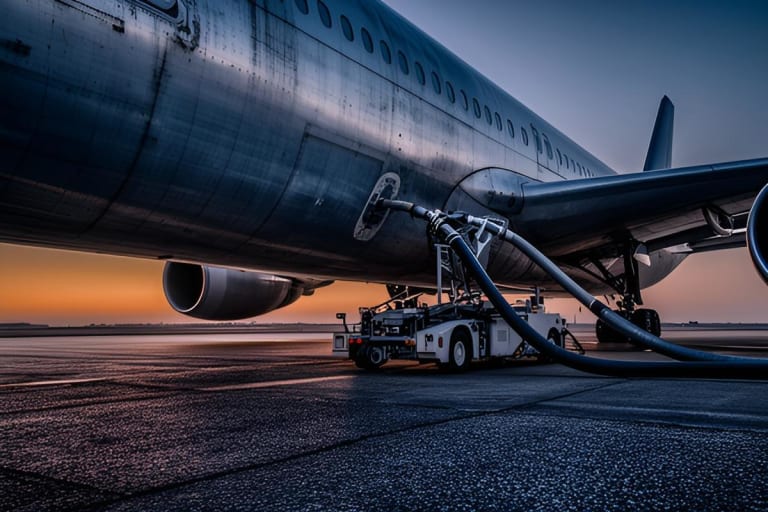
The 11.76% hike in aviation kerosene prices by Petrobras increases financial pressure on the airline sector, impacting operational costs and flight supply in Brazil.
The air transportation market in Brazil faces a highly volatile scenario with the new price adjustment for QAV (aviation kerosene). Starting this Thursday (October 1, 2026), Petrobras raised the amount charged to distributors by 11.76%, causing the average price of the fuel to jump from R$ 5.585 to R$ 6.242 per liter. This change marks the third consecutive month of price increases, highlighting an upward cost trend for airlines.
This move by the state-owned company reflects continuous pressure from the international oil market, intensified by geopolitical instability in the Middle East. With the price of a barrel of Brent crude surpassing the $102 mark, Brazil, despite being a major producer, keeps its derivatives tied to global market benchmarks, transferring external volatility directly to the logistics chain of domestic air transportation.
Direct impact on civil aviation
The surge in fuel prices has a severe multiplier effect on airline finances. According to data from Abear (Brazilian Association of Airlines), kerosene, which historically accounted for about 30% to 32% of operational costs, now consumes more than 45% of these companies’ budgets. The financial impact is so significant that Latam, Gol, and Azul accumulated an expenditure surplus exceeding R$ 5.2 billion by August compared to their initial planning for 2026.
To mitigate the crisis, Petrobras has reactivated a program allowing distributors to pay for price adjustments in three installments. However, this palliative measure does not prevent the cost pressure from being passed on. The practical reflex of this escalation is already felt by passengers, with a reduction in seat supply and the withdrawal of larger aircraft from certain strategic routes as a way to optimize operations in the face of high fuel prices.
“The increase intensifies pressure on airline costs, compromising the sector’s financial sustainability in the face of international price instability.”
The weight of the international scenario
The root of this crisis dates back to the worsening tensions in the Middle East since early 2026, with direct impacts on shipping traffic near the Strait of Hormuz. This route is vital for global energy trade, through which about 20% of the global oil supply transited before the conflict. The refusal of global leaders, such as US President Donald Trump, to negotiate the total reopening of the waterway contributes to keeping oil barrels at elevated levels.
Looking ahead, the outlook remains cautious. Experts point out that as long as geopolitical uncertainties persist and logistics routes are affected by conflicts, clean energy and the search for energy efficiency alternatives will increasingly enter the long-term radar of companies. For now, the airline sector remains dependent on oil prices and the pricing policy practiced by the state-owned company, which accounts for about 85% of the national fuel production.