Battery projects integrated with solar plants can achieve a competitive advantage of up to 35% in the upcoming capacity reserve auction (LRCap), driven by infrastructure sharing and the mitigation of generation curtailment.
The race for the country’s first Capacity Reserve Auction dedicated exclusively to storage has taken on new strategic contours.
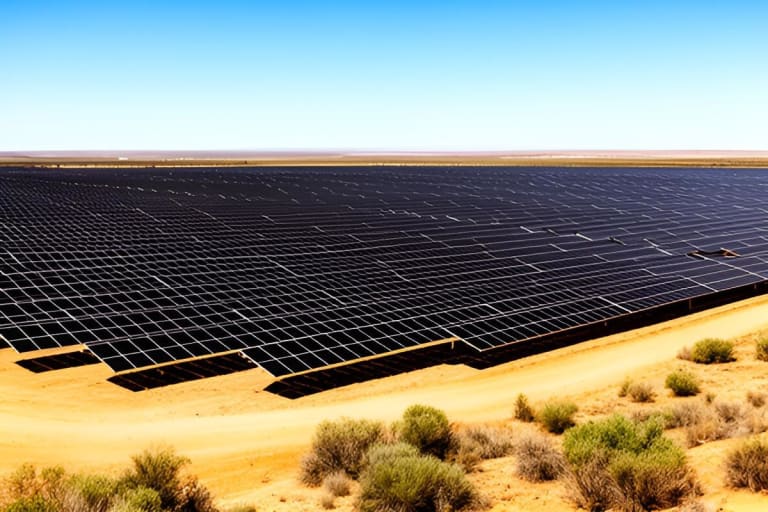
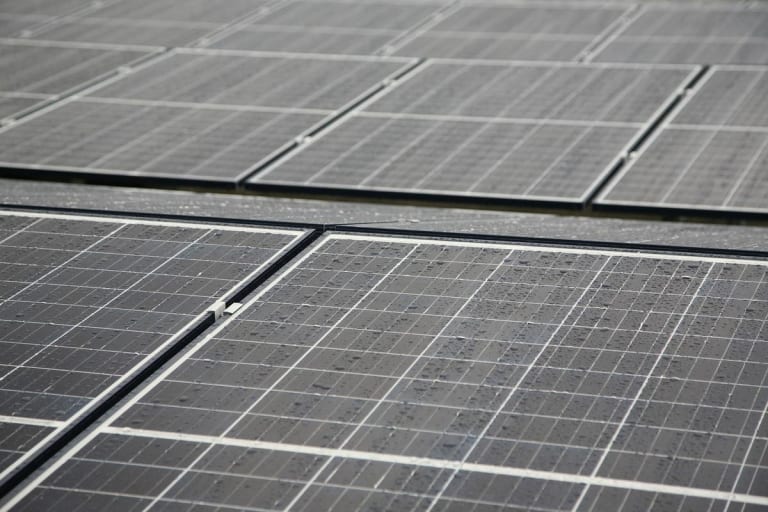
According to a recent study by Aurora Energy Research, initiatives combining storage units and photovoltaic plants at the same site have the potential to slash bids by up to 35%, outperforming standalone competitors.
This scenario anticipates a fierce dispute for the tender organized by the Brazilian government.
The event, scheduled for early December, set a historical milestone by attracting thousands of registrations with the Energy Research Office (EPE).
With hundreds of gigawatts registered and a contracting forecast far below that amount, every engineering and financial detail will make a difference.
In this highly competitive environment, so-called colocation is emerging as the most viable path for investors to secure attractive margins and winning bids.
Structural and operational advantages of integration
The synergy between the generation park and the battery energy storage system (known as BESS) leads to direct reductions in capital and operational expenditures.
Rodrigo Longo, an expert at the consultancy, points out that utilizing existing substations and cables reduces initial deployment costs by up to 15%.
Furthermore, optimizing the use of the transmission system usage contract (Must) allows for an additional cut in transmission expenses.
Since the peak of solar capture and battery discharging occur at different times, evacuation capacity is maximized without the need for complex new permits.
Another critical issue resolved by integration is the management of curtailment.
By retaining surplus clean energy that would otherwise be curtailed due to grid constraints, the venture protects its assets and optimizes its revenue stream.
Rodrigo Longo stated:
As bids converge, competitive differentials will define the auction’s outcome. When we look at a standard bid versus a colocated bid, we see a 30% to 35% reduction, which is a very large competitive margin for these projects compared to others.
The free market challenge and next steps
Despite technological advancements, the business model based solely on price arbitrage still faces regulatory and market barriers in the country.
Unlike mature markets in Europe, the daily fluctuation of local prices is still not sufficient to financially sustain standalone storage projects without the support of regulated auctions.
Projections indicate that the expansion of batteries will be crucial to absorb volatility and ensure stability for the national power system through the end of the decade.
The success of these initiatives, however, will also depend on the evolution of energy trading models and an adaptation in long-term contracts signed with the industrial sector.