Engie Brasil Energia has secured a major partnership in the solar energy sector, guaranteeing the supply of renewable sources for the country’s MDF industry.
The Brazilian energy transition has just gained a new chapter with a strategic move by Engie Brasil Energia in the Northeast.
The company has closed a self-production agreement involving a photovoltaic plant complex in the state of Rio Grande do Norte, consolidating the advancement of clean sources in the national industrial matrix.
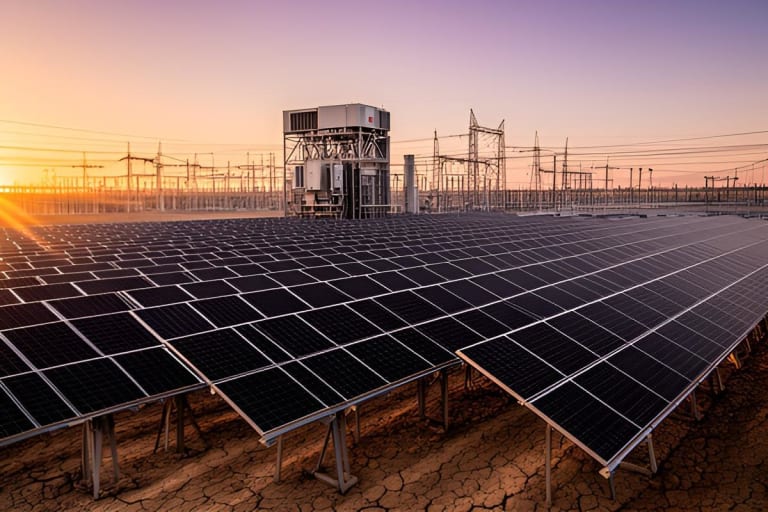
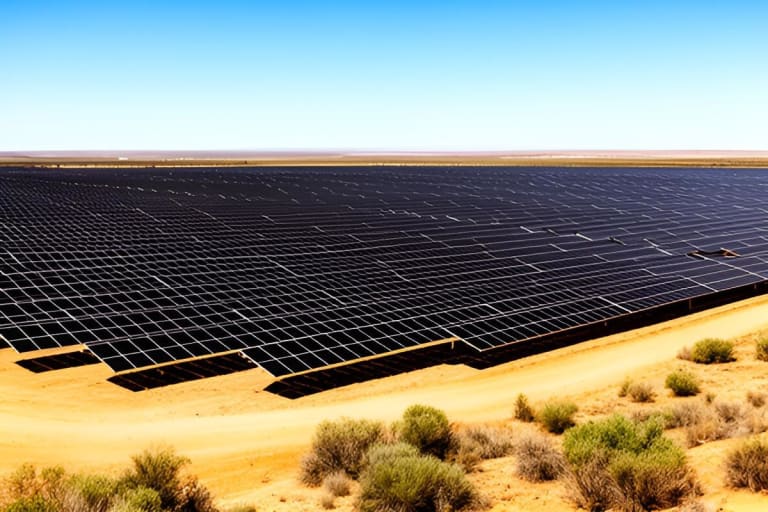
The commercial arrangement covers a total of seven solar generation plants which, together, reach a significant installed capacity of 340.5 MW.
The initiative reinforces the trend of major industries seeking energy autonomy through long-term partnerships in the clean energy segment.
The Structure of the Partnership in Rio Grande do Norte
To make the self-production model viable, the operation was structured through the creation of a new corporate holding company.
Placas do Brasil S.A., a traditional manufacturer of MDF panels from Espírito Santo, will take a 40% stake in this new corporate vehicle, thereby securing the energy supply for its production lines.
The strategic decision by the wood-processing industry reflects a growing pursuit of cost predictability and operational sustainability.
Although it will use the energy generated within its own corporate ecosystem, the company from Espírito Santo made it clear that it has no plans to operate commercially in the free electricity market.
The strategic partnership consolidates our commitment to the energy transition and demonstrates the feasibility of solar self-production for large Brazilian industries.
Outlook for the Sustainable Energy Sector
Although the financial terms of the deal were kept confidential by the parties, the impact of the agreement resonates strongly in the renewable sources market.
The consolidation of photovoltaic complexes in the interior of Rio Grande do Norte highlights the region’s attractiveness for green infrastructure investments.
With the next steps focused on the operational integration of the new holding company, the move sets a precedent for more electro-intensive industries to adopt the self-production model.
The strategy mitigates tariff volatility and seals corporate commitment to long-term environmental goals.