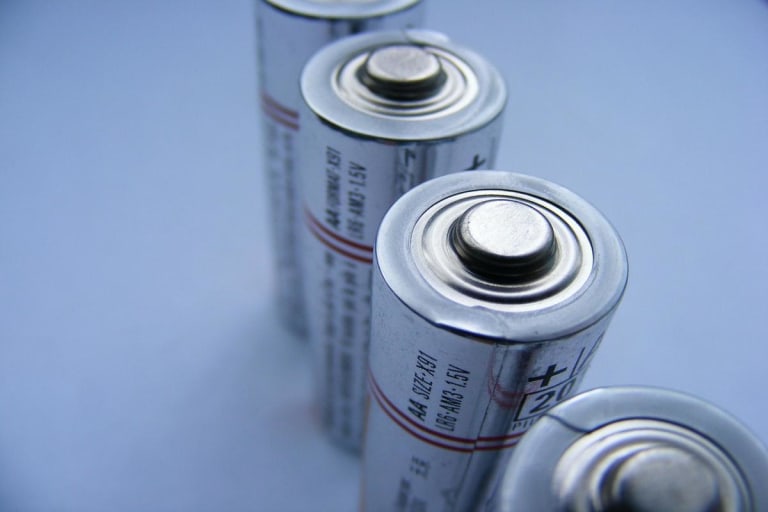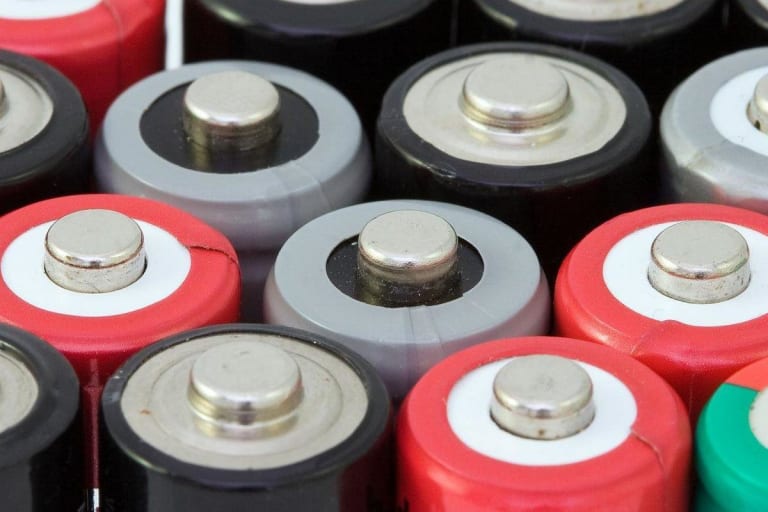
Brazil is preparing to hold its first exclusive battery auctions, challenging the clean energy sector to structure solid contracts and mitigate operational risks even before placing the first bid.
The Brazilian clean energy market is experiencing historic anticipation with the arrival of the first tenders aimed exclusively at contracting battery energy storage systems.
Scheduled for early December 2026, the auctions promoted by the government seek to inject operational flexibility into the national power grid, addressing capacity bottlenecks during peak hours.
Until now, the energy matrix met these demands primarily through large hydro and thermal sources, but the new phase will require a more dynamic integration between intermittent renewable generation and strategic storage managed by the National Electric System Operator.
To balance energy supply and the development of the domestic industry, the model was divided into two stages: the National Storage Auction, scheduled for the 2nd, and the Open Storage Auction, on the 4th.
This strategic division protects the fledgling domestic supply chain from direct competition with already established foreign equipment, while ensuring the necessary volume for the security of the National Interconnected System.
However, before thinking about winning the dispute, developers face a complex contractual and regulatory puzzle that will dictate the viability of each venture over a fifteen-year term.
The Contractual Labyrinth and Risk Management
The signing of the Capacity Reserve Power Contract imposes severe obligations on investors.
Current regulations establish strict penalties for availability failures or refusal of dispatch determined by the operator, which can culminate in contract termination if minimum local content requirements are not met.
The major challenge lies in the fact that the developer assumes full responsibility before the Brazilian government, yet depends on a chain of third parties to execute works, supply inputs, and operate the assets.
A risk that cannot be transferred or mitigated contractually must ultimately be factored into pricing.
This dynamic requires contractual engineering to be rigorously designed before the tender opens.
Variables such as currency fluctuations, supply chain delays, and potential operational penalties need to be precisely priced into the commercial proposal.
Overly aggressive bids, driven by fierce competition, could compromise the financial margin of the project and threaten its long-term sustainability.
Technical Filters and High Competitiveness
The expressive volume of registrations with the Energy Research Office reflects market appetite, but the technical qualification phase will act as a rigorous filter.
Thousands of proposals registered interest; however, transmission grid flow capacity constraints and failures in proving accredited suppliers for local content may eliminate competitors even before the price dispute.
The experience of international markets, such as Italy, demonstrates that tenders of this magnitude attract enormous competition, pushing tariffs down and demanding redoubled caution from investors.
Success in the Brazilian energy transition will depend not only on the ability to win the auction, but on the soundness with which entrepreneurs manage complex risks throughout the entire contract lifecycle.
The future of smart grids in the country is being designed now, demanding flawless financial planning and solid strategic partnerships across the entire energy storage chain.