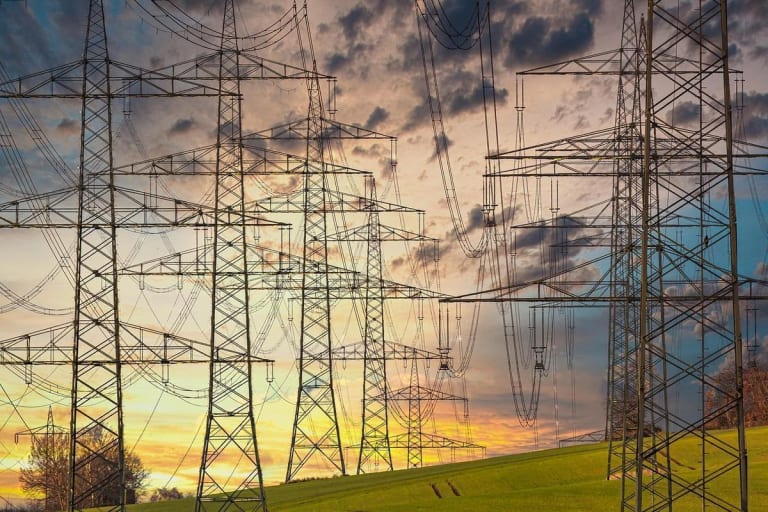
Ericsson is intensifying its efforts in the Brazilian utilities sector by launching a business unit focused on digitalizing the infrastructure of energy distributors through private connectivity networks.
The quest for greater efficiency in Brazil’s power grids has gained a new technological player.
Ericsson has consolidated a commercial structure dedicated exclusively to the utilities market, aiming to modernize the operations of energy distributors.
This move comes at a time when the sector is facing the challenge of integrating new energy sources and improving the resilience of its assets.
With a strategic focus on the 450 MHz frequency, the Swedish company aims to meet the growing demand for automation.
The technology allows electricity, water, and gas distributors to advance the digitalization of their field operations, ensuring greater control over essential equipment and optimizing response times in critical situations.
Connectivity as a strategic asset
The energy market has shown increasing interest in managing its own telecommunications networks.
According to Paulo Bernardocki, Director of Solutions and Technology at Ericsson, the power sector stands out as the most advanced in this technology adoption process.
Currently, the potential ecosystem spans between 70 and 80 utility companies in Brazil, all of which are on the technology giant’s radar.
Paulo Bernardocki stated:
Capitalization is generally what we see most frequently.
This preference for capitalizing investments reflects a shift in approach among distributors.
Instead of opting for service models, companies in the sector are looking to incorporate network infrastructure into their own assets.
The goal is to ensure operational independence and avoid reliance on third parties during systemic failures, treating the network as a critical business asset.
The future with Distributed Generation
The proliferation of Distributed Generation (DG) is one of the catalysts for this transformation.
With the constant addition of new energy injection points into the grid, granular monitoring capabilities are becoming vital.
For Ericsson, mobile connectivity offers the visibility required so that grid control no longer relies on manual operations or phone calls to field teams.
The company has been using its test center in partnership with CPQD, in Campinas, to validate the effectiveness of this coverage over long distances.
With a range of up to 40 kilometers per base station, the mobile solution serves as a robust complement to fiber optics in rural and hard-to-reach areas, positioning itself ahead of satellite solutions in terms of cost-benefit.
The trend is that regulatory requirements for energy availability and technical control will continue to pressure distributors.
As the grid becomes smarter, digitalization is moving from being merely a competitive advantage to becoming an operational requirement for survival in the clean and connected energy market.