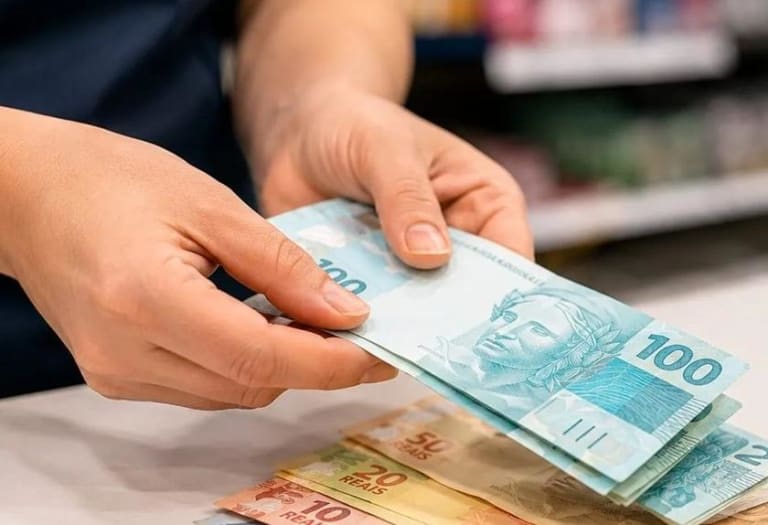
The federal government has formalized the third stage of Desenrola Brasil, which aims to reduce household debt by purchasing debts through strategic auctions.
The renegotiation of debts for individuals in the country has just gained new momentum. Last Friday (25th), a provisional measure was signed establishing Desenrola Brasil 3.0, a structured initiative to alleviate the financial burden on millions of Brazilians seeking to exit default.
The main differentiator of this edition lies in the direct action of the Union. The government will now acquire debt portfolios through auctions, ensuring that the discounts obtained in these operations are fully transferred to citizens. Focusing on debts up to R$ 10,000, the initiative targets individuals with a history of delinquency ranging from two to four and a half years.
Program Mechanics and Scope
Desenrola Brasil 3.0 was designed to be large-scale, with the expectation of reaching up to 15 million people. The government estimates that the volume of negotiations will reach R$ 75 billion, with an allocation of R$ 15 billion. The program prioritizes creditors offering the highest discounts, with a minimum reduction target set at 90%.
The strategy of purchasing entire debt portfolios, including essential utility bills like electricity and water, aims to clear the names of a significant portion of the population currently excluded from credit access, according to experts in financial sustainability policies.
Impact on Service Sectors
It is important to note that the volume of non-performing loans in Brazil exceeds R$ 590 billion, with more than half of this amount being non-banking related. Essential bills, such as those for energy and sanitation, represent 20% of this total, demonstrating that the project’s new phase directly addresses the basic cost of living for families.
The acquisition operations will be conducted by institutions such as Caixa Econômica Federal and Banco do Brasil. The rule is clear: to participate, the creditor must cede all eligible credits, prohibiting partial selection of debts, which enhances the measure’s transparency and effectiveness.
Implementation Timeline
The process will be gradual, starting with the structuring of proposals and moving towards approval in early 2027. Key milestones include:
- November 2026: Public call for creditors to submit their proposals.
- December 2026: Formal submission period for proposals from institutions.
- January 2027: Approval of winners and classification of debt portfolios.
- February 2027: Start of contract signing and application of discounts for debtors.
With this structure, the expectation is that the government will not only clear defaulters’ records but also stimulate consumption and improve the country’s long-term financial health, offering lump-sum payment or installment options that fit the Brazilian consumer’s budget.