
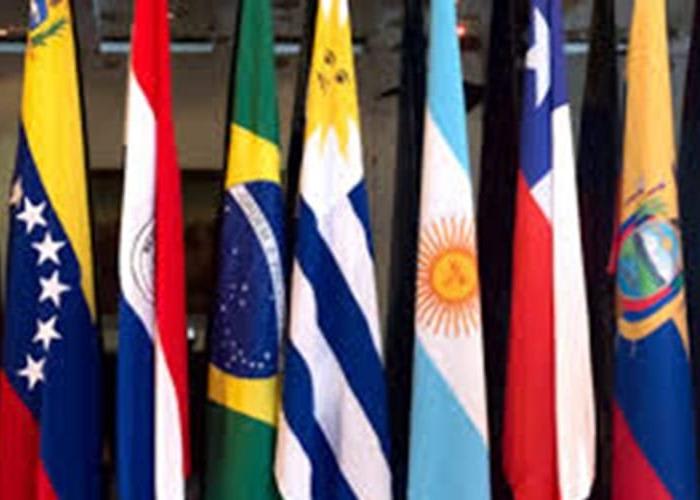
The federal government is officializing the implementation of the free trade agreement between Mercosur and the European bloc EFTA, promising to boost clean energy and sustainable cooperation.
The landscape for the sustainability and energy transition sectors gains new momentum with the officialization of the trade treaty between Mercosur and the countries that make up the EFTA. The measure was formalized by the Brazilian federal government and establishes guidelines to strengthen economic relations with European nations known for their technological expertise.
With the decree’s publication in the Official Gazette of the Union, the country solidifies a strategic step towards international integration. The agreement is set to take effect in October 2026, following the necessary legislative procedures and international ratification with Norway, one of the European bloc’s members.
Beyond the traditional commercial impact, the pact includes solid commitments focused on ecological practices and environmental responsibility. Sector experts believe the initiative could foster the exchange of green technologies essential for the global economy’s decarbonization.
Eliminating Barriers and Stimulating Clean Energy
The document stipulates the reduction of customs duties and the simplification of regulatory processes between the involved markets. This openness facilitates the circulation of modern inputs, components for wind and solar farms, as well as machinery geared towards energy efficiency.
Closer ties with economies like Switzerland, Norway, Iceland, and Liechtenstein open doors for financial investments in renewable energy projects. The technical deregulation acts as a catalyst for Brazilian companies to attract foreign capital aimed at developing clean technologies.
The treaty’s guidelines also emphasize environmental conservation and the protection of natural resources. Economic analysts highlight that the agreement reflects the growing international market demand for low-carbon industrial products and processes.
The consolidation of this treaty represents a milestone for the expansion of green investments and for establishing a more sustainable production matrix on the global stage.
Next Steps and Future Projections
Until the treaty’s definitive entry into force, productive sectors and regulatory bodies are intensifying preparations to adopt the new trade rules. The goal is to ensure that the national infrastructure is ready to meet the stringent socio-environmental standards required by European nations.
The expectation for the coming years is that the trade exchange will boost Brazil‘s competitiveness in cutting-edge sectors. Integration with the European bloc reinforces the country’s strategic role in the new global economy, driven by green innovation and climate responsibility.