The commercial leasing market in Brazil is experiencing a period of sharp appreciation, with an 11.21% increase over 12 months, significantly outperforming inflation and the pace of property sales.
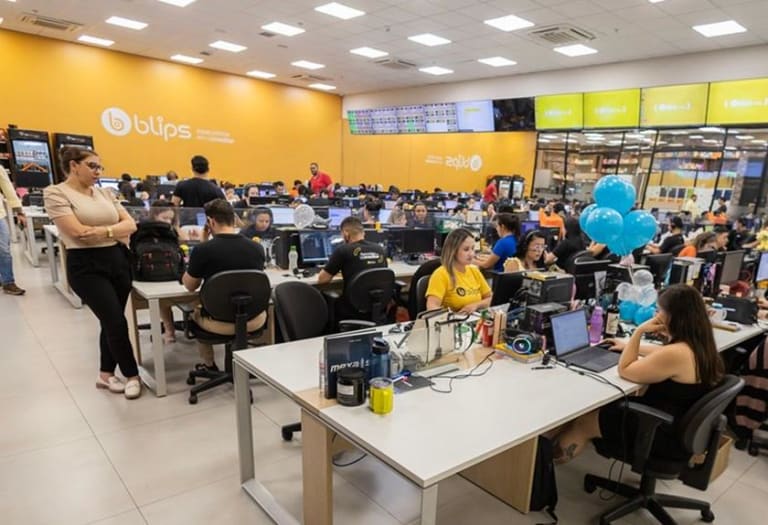
Brazil’s corporate real estate sector is currently defined by striking contrasts. While the sales segment remains cautious, the market for office and commercial building rentals is witnessing a vigorous surge, driven by the definitive return to in-person operations in major metropolitan areas.
The latest data from the FipeZAP Index, developed by Grupo OLX and Fipe, shows that rental prices climbed 11.21% in the 12-month period ending in August. This performance not only defies the stagnation seen in other sectors but also easily outpaces the IPCA — Brazil’s official inflation index — which stood at 4.22% during the same period, signaling significant real gains for property owners.
Higher profitability attracts investors
Current market dynamics favor those seeking recurring income. With the average advertised rental price reaching R$ 54.23 per square meter, the average annual rental yield hit 7.63%. This figure is notably higher than the 6.14% observed in the residential property segment, cementing corporate spaces as an attractive option for investment strategies.
The discrepancy between rental and sales indicators reflects a structural shift in corporate behavior, as the preference for leasing over acquiring real estate assets gains momentum in the face of current financing costs.
Mismatch between leasing and sales
While rental rates are experiencing double-digit growth, the market for buying and selling commercial properties remains much more contained, with an appreciation of just 2.20% over the past year. This gap suggests that although companies are seeking physical space for their operations, the macroeconomic climate — marked by high interest rates — acts as a brake on decisions to purchase property outright.
For the coming months, the expectation is that the rental market will remain robust, supported by the ongoing return-to-office trend and corporate reorganization. For investors, the focus remains on the revenue-generating potential of commercial leases, while liquidity in the sales market is expected to remain cautious until there is a clearer sign of easing credit conditions.