On World Car-Free Day, e-bike production soars by 77.3% in Brazil, redefining urban mobility. The growth of electric bicycles and self-propelled vehicles provides new alternatives for daily commutes, driving a more sustainable and flexible future for cities.
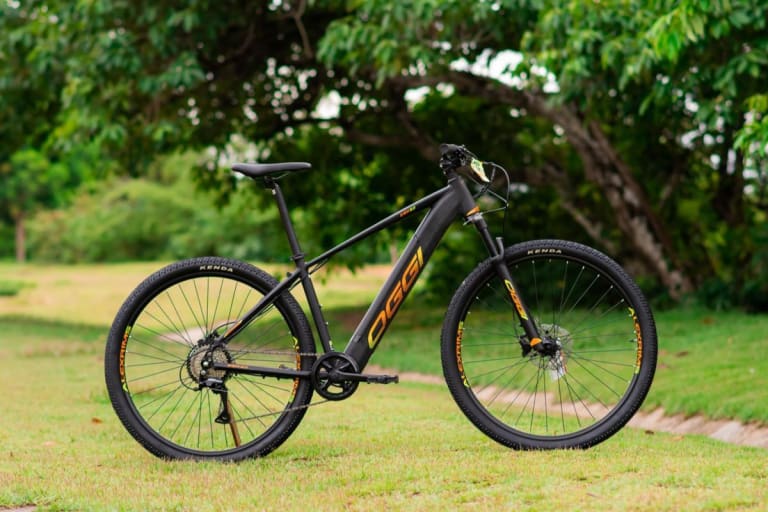
The celebration of World Car-Free Day, on September 22, takes place against a promising backdrop in Brazil, marked by significant growth in electric bicycle manufacturing. Between January and July of this year, the country recorded a 77.3% increase in e-bike production, totaling 43,107 units produced at the Manaus Industrial Pole. This significant advance positions electric bikes as an increasingly relevant component in the urban mobility landscape, accounting for 21.5% of total bicycle production in the industrial hub—a substantial jump from the 11.4% seen in the same period the previous year.
This growth in new transit modes is a strong indicator that Brazilians are seeking alternatives to reduce their dependence on cars for daily commutes. E-bikes, with their pedal-assist technology, and self-propelled vehicles, which offer independent propulsion, are expanding the range of options for various types of trips, from commuting to work or university to shorter journeys for errands or connecting to public transportation systems.
“The future of mobility will not be defined by a single vehicle, but by the freedom to choose the best means for each journey,” says David Peterle, CEO of Oggi Bikes, StreetGo, and YOO Mobility. This vision highlights the importance of the diversification and flexibility that these new modes offer consumers, adapting to different needs and lifestyles.
E-bikes and Self-Propelled Vehicles: Allies in Sustainable Mobility
Although both are part of the electric mobility revolution, electric bicycles and self-propelled vehicles serve distinct needs. E-bikes use an electric motor to assist the rider, making hills and longer routes less strenuous while allowing the user to continue pedaling with less effort. Self-propelled vehicles feature independent propulsion, eliminating the need to pedal and offering a compact solution for individual mobility and even professional applications.
This differentiation allows each type of vehicle to adapt to specific profiles and needs. Electric assistance expands the range and practicality for those who still want the bicycle experience, while self-propelled vehicles emerge as an agile and independent alternative for those seeking a compact vehicle with its own motor. Factors such as distance, terrain, payload, urban infrastructure, and the purpose of the trip are crucial for making the ideal choice among the various options available in the sustainable mobility market.
David Peterle adds:
“Reducing car dependence does not mean stopping immediately. The change can start when a person looks at their own week and identifies which routes currently made by car could be taken by bike or self-propelled vehicle. With electric assistance and the evolution of products, we are increasingly expanding the possibilities for using bikes as a means of transport.”
Expanding Market: The Importance of Origin and Legislation
With the rapid growth of the individual electric vehicle market, consumers are faced with the need to better understand their choices. Beyond price, power, and range, aspects such as compliance with Brazilian legislation, warranties, spare parts availability, ease of maintenance, and quality after-sales service have become determining factors, especially when these vehicles are used as a primary means of transport.
Contran Resolution No. 996 establishes clear criteria for classifying electric bicycles, self-propelled individual mobility equipment, and mopeds, considering characteristics such as power, maximum factory speed, dimensions, and operating mode. This classification is fundamental, as it defines traffic rules and the responsibilities applicable to each category.
“Today, consumers encounter different mobility solutions, and visually similar products do not always belong to the same category. Before purchasing, it is important to understand what the vehicle was designed for, which rules it must comply with, and if there is a support and maintenance structure behind it. When the goal is to incorporate this mode into your routine, these questions become even more relevant,” emphasizes Peterle.
National Production and After-Sales Support: Pillars of Trust
OX Bikes da Amazônia, with over six decades of experience in the two-wheeled sector, stands out as a pioneer in the manufacturing of electric bicycles in Brazil, operating its own factory in Manaus. The group’s brands, including Oggi Bikes, StreetGo, and YOO Mobility, have wide national distribution, supported by a network of retailers and workshops trained for maintenance, in addition to offering warranties and after-sales support.
The company demonstrates alignment with current regulations, such as Contran Resolution No. 996. With a robust engineering and local production structure, OX Bikes da Amazônia develops its products considering Brazilian legal requirements and the specificities of local usage.
“Our work is to develop products aligned with Brazilian rules and offer support so that consumers can use their e-bike or self-propelled vehicle safely and confidently in their daily lives,” says Peterle. This approach, which combines national production, specialized engineering, and a strong commitment to customer support, is essential to solidify trust and drive the use of these vehicles as an integral part of the future of urban mobility in Brazil.