
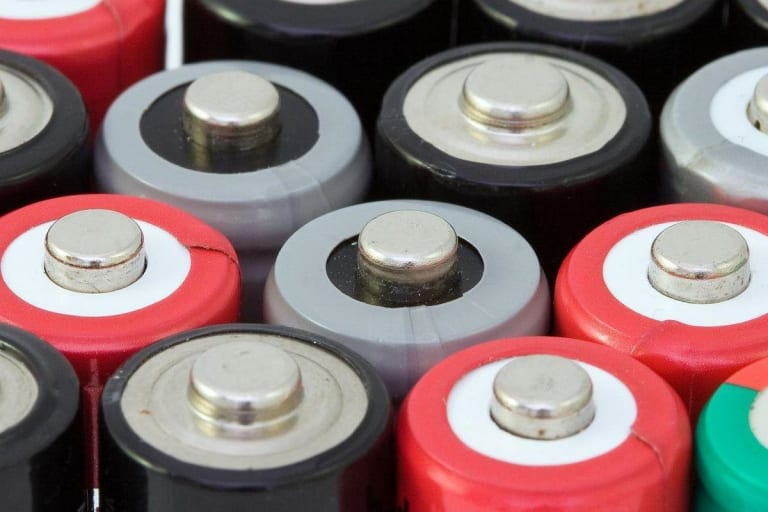
Public consultations on battery auctions reveal crucial disagreements between generators and consumers over costs and rules.
The future of energy storage in Brazil is under intense scrutiny, with the National Electric Energy Agency (Aneel) receiving a significant volume of contributions – 88 in total – for the draft notice of the upcoming auctions for battery energy storage systems (BESS). The public consultation period, which ran from July to September, revealed a scenario of intense debates among various stakeholders in the electricity sector, particularly regarding how costs will be distributed, the feasibility of installing batteries near existing power plants, and the potential impacts of local content requirements.
The issue of cost allocation for the contracting of these new batteries is one of the most sensitive points. Currently, legislation directs these costs to generators. However, a significant group of generator associations and project developers argues that the benefits of energy storage are systemic, impacting the entire National Interconnected System (SIN). For this reason, they advocate for the Aneel notice to include flexibility so that, in the future, these costs can be shared with end consumers.
On the other hand, entities representing consumers and consumer advocacy groups strongly disagree. They maintain that financial responsibility should remain with the generation segment to prevent electricity tariffs from increasing and burdening the population. This polarization indicates a considerable challenge for the regulatory agency in drafting the final notice.
Colocation and Local Content: Other Points of Friction
Another relevant area of disagreement concerns so-called colocation, meaning the possibility of installing battery systems adjacent to already operating generation plants. The draft presented by Aneel shows a tendency to restrict auctions to standalone projects, citing concerns about complexity in dispatch and operational control. However, representatives of the renewable energy sector see this modality as an opportunity to optimize the use of existing grid infrastructure, potentially reducing overall costs.
The introduction of local content requirements, an initiative supported by BNDES, also generates apprehension. The main concern is that the battery production chain in Brazil is still in its early stages. Imposing a minimum percentage of national components in selected projects, according to industry alerts, could lead to significant implementation delays and an increase in project costs, estimated between 20% and 40%.
Finally, the timeframe established between the granting of licenses (scheduled for May 2027) and the start of commercial operation (August 2028) was pointed out as excessively short. The sector calls for greater coordination among responsible agencies and simplification of grid access procedures to ensure the viability of the timelines.
Expectations are now focused on the publication of the definitive notice, which is expected to reconcile these different views and establish the rules for one of the pillars of Brazil’s future energy matrix, focused on greater resilience and reliability through energy storage.
RELATED NEWS
 New molecular refining technique promises to cut energy consumption in the oil industry
READ MORE
New molecular refining technique promises to cut energy consumption in the oil industry
READ MORE
 Shinjuku introduces trash-collecting robots to reduce the workload of JR East cleaning staff
READ MORE
Shinjuku introduces trash-collecting robots to reduce the workload of JR East cleaning staff
READ MORE
 Germany Unveils He Dreiht, Its Largest Offshore Wind Farm, with 960 MW to Power 1.1 Million Homes
READ MORE
Germany Unveils He Dreiht, Its Largest Offshore Wind Farm, with 960 MW to Power 1.1 Million Homes
READ MORE