
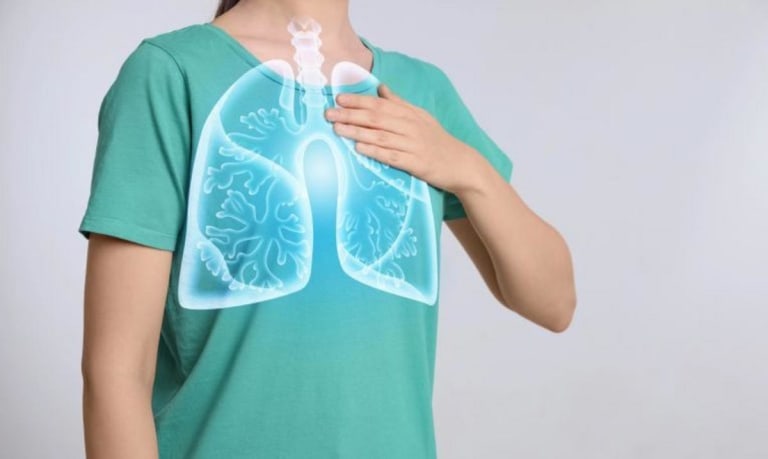
Law signed by Lula boosts the National Policy for Awareness and Guidance on Lymphangioleiomyomatosis (LAM) within the SUS.
A significant milestone for Brazilian public health was established with the signing, without vetoes, of Law 15.505/26 by President Luiz Inácio Lula da Silva. The new legislation institutes the National Policy for Awareness and Guidance on Lymphangioleiomyomatosis (LAM), integrating it into the Unified Health System (SUS). Its publication in the Official Gazette of the Union this Tuesday (15) formalizes access to all therapeutic and management resources for patients diagnosed with the condition.
The initiative, which originated from Bill 5078/16 proposed by former deputy and current Senator Alan Rick (Republicanos-AC), aims to ensure full support for women living with LAM. The disease, characterized as a rare lung condition, predominantly affects women of reproductive age and can lead to complications such as bronchial and vascular obstruction, as well as the development of cysts. The enactment of this law represents a crucial step forward in guaranteeing rights and access to specialized treatments for these patients.
Expanding Access and Knowledge regarding LAM
One of the pillars of the new national policy is the training and dissemination of information among healthcare professionals. The goal is to ensure they are fully aware of the specificities of Lymphangioleiomyomatosis, enabling them to recognize symptoms and perform accurate differential diagnoses. This measure is fundamental for accelerating the identification process and initiating appropriate treatment as early as possible, thereby improving patient outcomes.
Reference Centers and Data Monitoring
The creation of specialized reference centers for the diagnosis, treatment, and continuous monitoring of LAM patients is another key aspect of the policy. These centers will offer multidisciplinary care focused on the specific needs of the condition. In parallel, a national system will be implemented to collect and process data related to cases of the disease, which will allow for more effective epidemiological monitoring and the development of public health strategies based on scientific evidence.
The formalization of the National Policy for Awareness and Guidance on LAM within the scope of the SUS is a decisive step for both the patient community and the medical field. The expectation is that this framework will improve the quality of life for affected women, promoting greater visibility for a rare disease and ensuring they receive the necessary care and support for managing the condition. The future points toward more effective follow-up and a greater understanding of Lymphangioleiomyomatosis in the Brazilian healthcare landscape.