The federal government has invested R$ 47 billion to mitigate rising fuel prices, releasing funds that could have otherwise boosted other sectors of the economy.
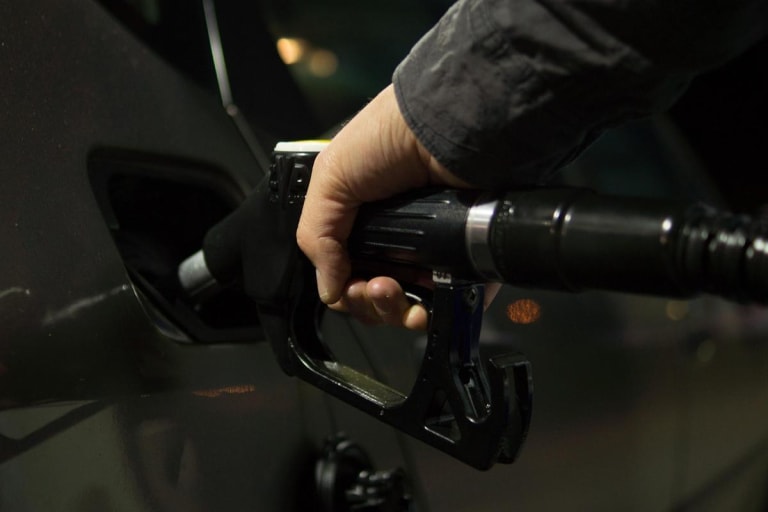
In a recent statement, President Luiz Inácio Lula da Silva revealed that the federal government has disbursed a significant R$ 47 billion aimed at cushioning the impact of surging gasoline and diesel prices. According to the president, this measure was crucial to prevent the Brazilian population from suffering even more from the rising cost of living, especially against a backdrop of global instability. While these funds could have been directed toward other development initiatives, they were prioritized to ensure the stability of the energy sector.
Lula, who is seeking reelection in 2026, made the disclosure while appearing on the Desce a Letra podcast. He emphasized that the war in Iran and its geopolitical consequences were the primary trigger for volatility in international prices, affecting not only fuel but also essential commodities like food and fertilizers. The OPEC basket price, a key global market benchmark, reached its highest level in five months, underscoring global inflationary pressure.
The Impact of War and Government Measures
President Lula directly linked Donald Trump‘s actions regarding the invasion of Iran to a ripple effect of economic damage for Brazil and the world. As reported, regional tensions drive up oil costs, which in turn increases the price of goods such as gasoline, diesel, rice, bread, and fertilizers, impacting the entire agricultural supply chain. Lula lamented the necessity of such conflicts, emphasizing that, despite the situation, Brazil has acted proactively.
The president stated:
Trump invaded Iran, causing us losses. This drives up the prices of gasoline, oil, rice, bread, fertilizer, and agriculture. There is no need for wars. Even so, we have already spent R$ 47 billion to ensure that gasoline and diesel prices do not rise for the people. We are perhaps the only country in the world to have done this.
The statement underscores the unique nature of Brazil’s efforts to protect domestic consumers amidst international crises.
The Opportunity Cost of Fuel Subsidies
When detailing the scale of the investment, Lula highlighted the financial sacrifice this measure represents for other areas of the government. Allocating R$ 47 billion to subsidize fuel means those resources were not applied to infrastructure, healthcare, education, or innovation projects. This weighing of options highlights the complexity of economic decision-making during crisis scenarios, where the government must balance mitigating immediate impacts with investing in the future.
Lula explained:
That is 47 billion that we are not investing in this country in order to prevent the price of gasoline from affecting the plates of the Brazilian people.
This statement reinforces the priority placed by the government on ensuring access to essential goods, even if it implies a significant opportunity cost for the country’s long-term development. The measure aims to dampen inflation and maintain the competitiveness of the Brazilian economy.
The decision to invest such a substantial amount to contain rising fuel prices demonstrates the federal government‘s concern for the well-being of the population and economic stability. In a volatile global context marked by conflict and uncertainty, Brazil’s proactive stance in shielding fuel consumers stands out as a unique strategy. However, the debate regarding the alternative investments that could have been made with these funds remains ongoing, highlighting the challenges of managing an economy in times of crisis and the search for a balance between immediate relief and sustainable development.