Engineer Jerson Kelman proposes modernizing urban pole management, suggesting the adoption of neutral networks to eliminate visual pollution and the risks of irregular wiring.
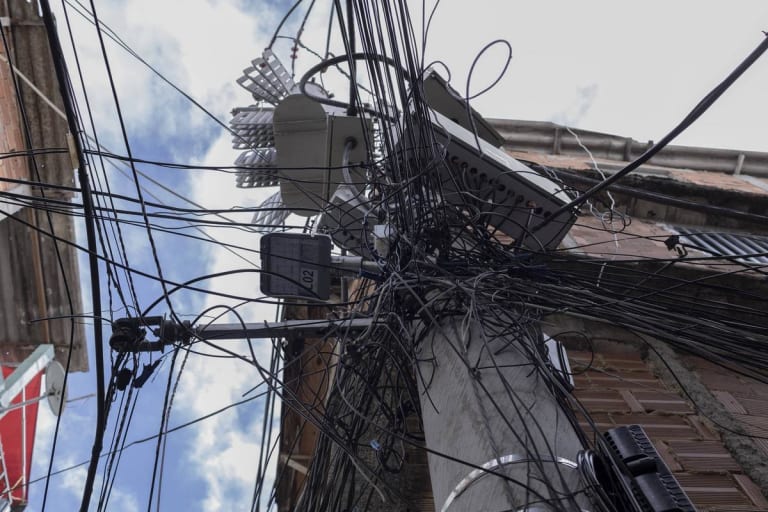
Brazil’s urban landscape faces a persistent challenge that compromises both the aesthetics and safety of its cities: the disorderly occupation of utility poles. The mix of electrical cables and a myriad of telecommunications wires, often installed clandestinely or without proper planning, has created a tangled mess that complicates maintenance and increases the risk of accidents for the population.
According to renowned expert Jerson Kelman, resolving this impasse requires more than just ad hoc oversight; a new governance paradigm is needed. The current debate revolves around the interpretation of Decreto nº 12.068/2024, which suggests the introduction of a third party, dubbed the “pole manager” (or “posteiro”), to manage the use of these spaces, generating disagreements between energy distributors and internet providers.
The Neutral Network Alternative
One of the most promising solutions discussed by the sector is the implementation of a neutral fiber optic network. Instead of allowing each internet provider to install its own cables, this model proposes a single, high-capacity infrastructure shared among various service providers.
Even better would be to eliminate the current clutter and install a single, high-capacity fiber optic infrastructure: the neutral network. In this scenario, multiple providers would lease fractions of the single network’s capacity, obviating the need to install their own cables.
In addition to organizing urban space, this technology would bring significant gains in operational efficiency. Although the initial investment for a nationwide transition is estimated to be in the tens of billions of Brazilian Reais over the next decade, the increase in productivity and reduction in visual pollution justify the market’s movement towards this clean energy and smart connectivity infrastructure.
Legal Certainty and the End of Piracy
One of the biggest bottlenecks to cleaning up the streets is the difficulty of removing unauthorized wires. Currently, energy distributors fear removing clandestine cables due to the risk of interrupting essential services in hospitals or police stations, which creates legal uncertainty for concessionaires.
For Jerson Kelman, it is crucial to establish a regulatory framework that protects companies carrying out urban clean-up efforts. Without legal protection that allows the disconnection of irregular connections without fear of sanctions, the sector will remain hostage to clandestine practices, which harm not only cities but also telecommunications operators that comply with legal standards.
The future of urban infrastructure depends on closer collaboration between the energy and telecommunications sectors. The organization of pole usage is not just a matter of technical convenience but an urgent necessity for the modernization of Brazilian cities and ensuring the quality of essential public services for society.