The federal government has officially established four Sustainable Development Reserves in southern Amazonas, protecting 669,000 hectares. This measure strengthens Amazon preservation, promotes sustainable development, and supports local communities.
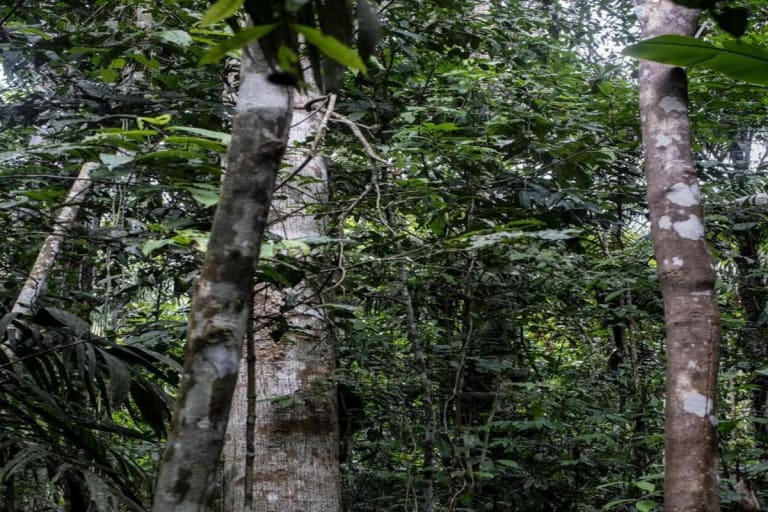
Brazil’s biodiversity conservation gains new momentum with the recent signing of decrees establishing four new Sustainable Development Reserves (RDS) in southern Amazonas. Located in a strategic area influenced by the BR-319 highway, these protected units cover approximately 669,000 hectares, marking a significant milestone for maintaining the rainforest and respecting traditional ways of life.
WWF-Brazil, a leading environmental organization, celebrated the initiative as an essential step to curb deforestation and ensure ecosystem integrity. The creation of these reserves not only shields vulnerable areas but also ensures that land management is carried out in harmony with those who depend on it for their livelihoods.
The Impact of the New Reserves in the Region
The new protected areas include RDS Tupana Igapó-Açu I and II, RDS Canaã, and RDS Mirari. Each reserve has specific focuses, ranging from the protection of aquatic and forest environments to supporting community management of natural resources.
This strategic segmentation is vital for the balance of the Amazon biome, especially in areas of high environmental pressure, where territorial governance makes the difference between degradation and regenerative prosperity.
In addition to efforts in the North, the Sete Cidades National Park in Piauí has been expanded, nearly doubling its original area. This expansion is crucial for protecting ecotones—transition zones between ecosystems—and endangered species, as well as boosting sustainable tourism in the region, demonstrating that conservation is a viable economic pillar.
Investing in a Green Economy
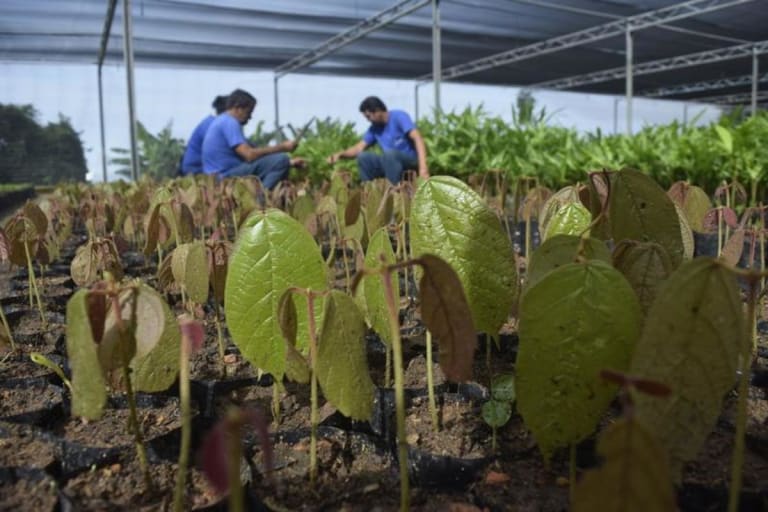
The strengthening of environmental conservation is accompanied by strategic investments in areas such as ecological restoration, territorial management, and what is known as the socio-biodiversity economy. These work fronts aim to reconcile keeping the forest standing with income generation, showing that sustainability can and should be the engine of Brazil’s new economy.
Initiatives that combine conservation, income generation, and the valuation of communities are fundamental to promoting development that keeps the forest standing and generates benefits for people.
For these achievements to become permanent, effective implementation is the next major challenge. WWF-Brazil emphasizes that paper decrees must be supported by rigorous enforcement, administrative transparency, and, above all, the active participation of local communities.
The future of the Amazon and other national biomes depends on a constant commitment among government, the private sector, and civil society. By prioritizing preservation, the country positions itself at the forefront of the global climate agenda, proving that it is possible to balance socioeconomic progress with the strict protection of our natural resources and the clean energy that stems from nature’s balance.