Brazil records intense interest in solar energy, with over 4.9 million searches in a single year.
Interest in solar energy among Brazilians has reached a significant milestone over the past 12 months, with more than 4.9 million searches recorded on Google. This impressive volume shows that, every six seconds, a Brazilian person searched for information about photovoltaic technology, highlighting a booming market and a growing desire for clean energy sources.
The survey, conducted by Descarbonize Soluções, an energy tech company specializing in energy transition, detailed the main segments driving this demand. The results reveal that not only households but also businesses and rural properties are increasingly focused on adopting self-generation of energy.
Households Lead the Solar Wave
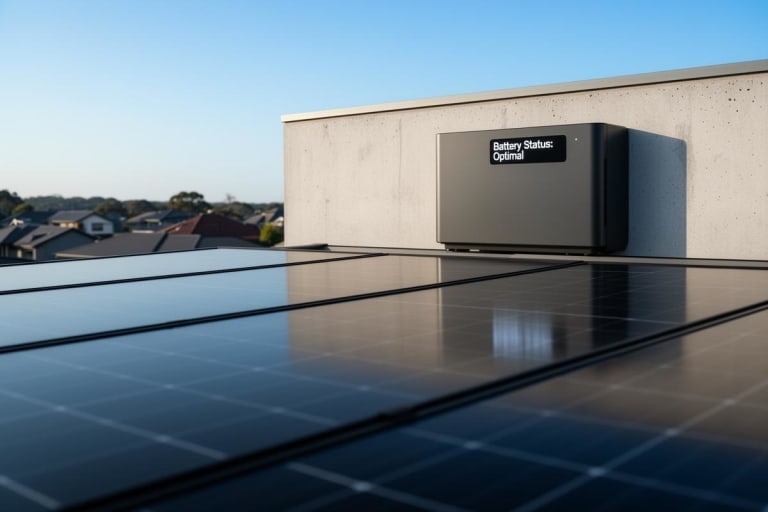
Searches for residential solar energy top the list, reflecting a trend that is already becoming firmly established in the country. With more than 3 million photovoltaic systems installed in homes as of 2025, according to ANEEL data, the technology is proving to be a key ally in reducing electricity bills and promoting sustainability.
The interest, however, is not limited to standalone houses. Searches for photovoltaic systems for apartments and condominiums are also gaining prominence, signaling that the pursuit of renewable energy solutions is becoming democratized, reaching diverse consumer profiles and housing models.
Businesses Seek Efficiency and Sustainability
The corporate sector has emerged as the second-largest segment interested in solar energy. The adoption of this technology goes beyond cost savings; it is strategic for electricity cost predictability, meeting environmental goals, and mitigating the impacts of tariff volatility.
This corporate shift is driven by the growth of self-generation. Between January and October of the analyzed period, more than 217,000 companies implemented their own power generation systems, according to a survey by TTS Energia based on ANEEL data.
Expansion of Solar Energy in Agriculture
Rural properties also rank among the top five types of real estate searched for photovoltaic system installations, demonstrating the reach of solar energy in agribusiness. The sector has seen exponential growth, with the number of rural consumer units served by solar energy jumping from 54,000 to 471,000 between 2020 and the end of 2024.
Currently, the rural class accounts for approximately 14% of the installed capacity of distributed solar generation in Brazil, cementing clean energy as an essential pillar for the sustainable development of both the countryside and the national economy.
Regionalization of Solar Interest
Interest in solar energy shows a broad geographical distribution. In the North region, Rondônia and Tocantins stand out in terms of search volume and distributed generation. In the Northeast, Piauí, Sergipe, Maranhão, and Rio Grande do Norte show growing interest, even if they do not yet lead in installed capacity.
In the Center-West, Mato Grosso and Mato Grosso do Sul are prominent in search trends, with Mato Grosso leading in distributed generation. In the Southeast, Espírito Santo stands out, while the South is represented by Paraná, which ranks among the national leaders in installed capacity.
The continued growth in searches for solar energy and its diversification across residential, commercial, and rural sectors reinforce the trend toward energy transition in Brazil. The data signal a promising future for renewable energy, driven by the quest for energy autonomy, cost reduction, and a growing commitment to environmental sustainability.