A multi-billion-real investment is set to transform the electricity grid in Amazonas, with a primary focus on modernization and reducing energy losses.
Âmbar Energia has outlined an ambitious R$ 5.5 billion investment plan to improve electricity distribution in Amazonas by 2031. The majority of this funding—R$ 3.9 billion—will come from the company’s own resources, with the remaining R$ 1.6 billion sourced from federal funds allocated to essential programs like Luz para Todos (Light for All) and the connection of isolated systems to the National Interconnected System (SIN).
This modernization roadmap was recently presented to the Amazonas State Legislative Assembly (Aleam), consolidating Âmbar’s priorities since it took over energy distribution management in the state this past April. The focus is clear: to boost infrastructure and efficiency in a region marked by complex logistical and geographic challenges.
Grid Renewal and Expansion
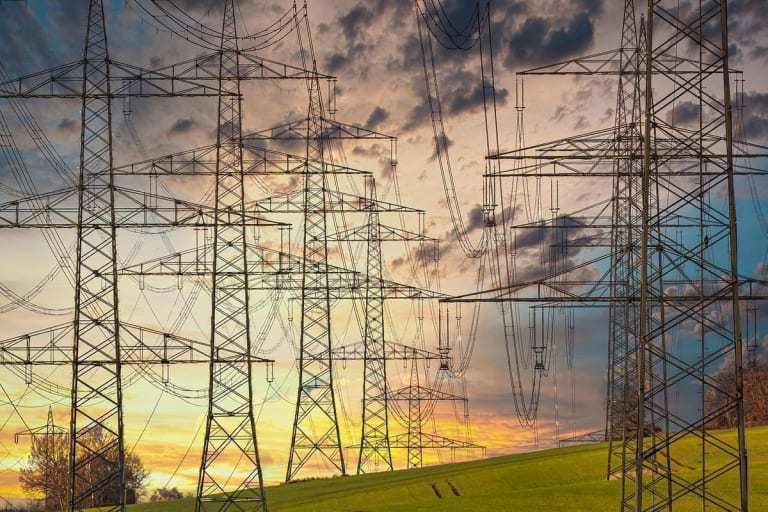
Âmbar Energia‘s investment plan includes a robust package of infrastructure projects. Among the top priorities is the gradual replacement of existing wiring with more modern and secure concentric cables. Concurrently, there will be a significant expansion of medium and low-voltage circuits, ensuring greater coverage and system capacity.
Critical points in the grid will receive emergency interventions, including the replacement of obsolete equipment and structural reinforcements. An ambitious goal is the construction of 12 new substations by 2028, with the potential to add 15 more in the subsequent five years, further increasing the system’s reach and resilience.
Combating Non-Technical Losses: A Strategic Challenge
A central pillar of the investment plan is tackling non-technical losses—a chronic issue in the Brazilian energy sector. In Amazonas, Âmbar estimates that approximately 44% of the energy injected into the grid is not properly billed, largely due to fraud and illegal connections.
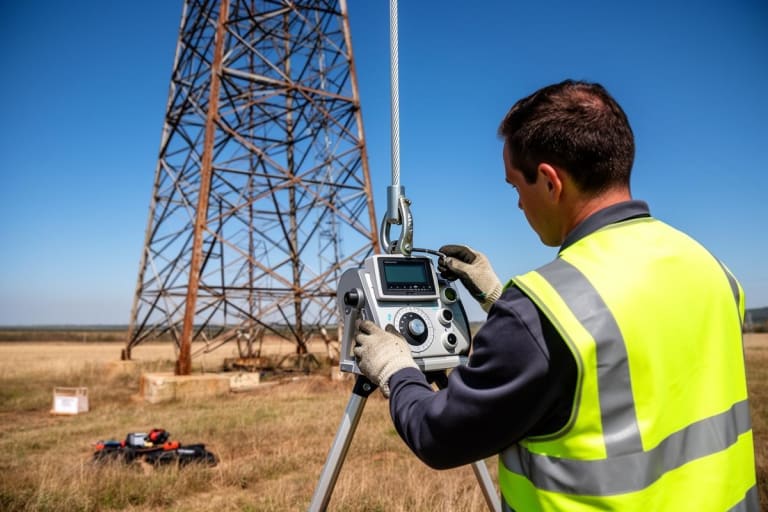
To reverse this trend, the distributor intends to implement a multifaceted plan. This includes the full digitization of the energy meter fleet, more rigorous and comprehensive grid monitoring, and intensified efforts to bring consumers into legal compliance. The goal is not only to increase operational efficiency but also to recover revenue essential for the service’s sustainability.
We believe that technology and closer engagement with the community are fundamental to overcoming the challenges of energy loss and ensuring quality service for all residents of Amazonas.
Grid Interconnection and Consumer Benefits
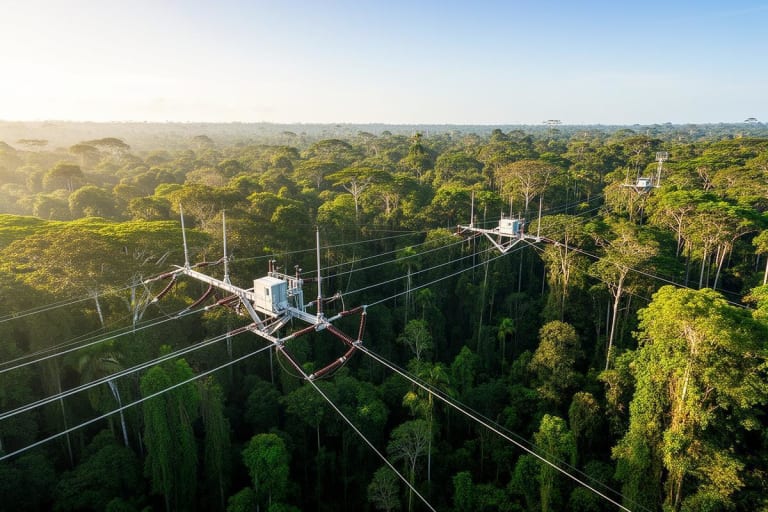
The R$ 1.6 billion in federal funds will serve a dual purpose. Part will be directed toward the Luz para Todos program, expanding access to electricity in remote areas. Another portion will be crucial for connecting isolated systems to the SIN. This integration is expected to increase supply reliability and reduce dependence on local power plants, which are often more expensive and less efficient.
Regarding tariff composition, Âmbar Energia CEO João Pilla clarified that adjustments follow the regulations set by ANEEL, which recently established a 3.79% variance.
He emphasized that the final amount paid by consumers is influenced by their own consumption habits, as well as external factors such as weather variations, which can lead to increased use of air conditioning and cooling equipment.
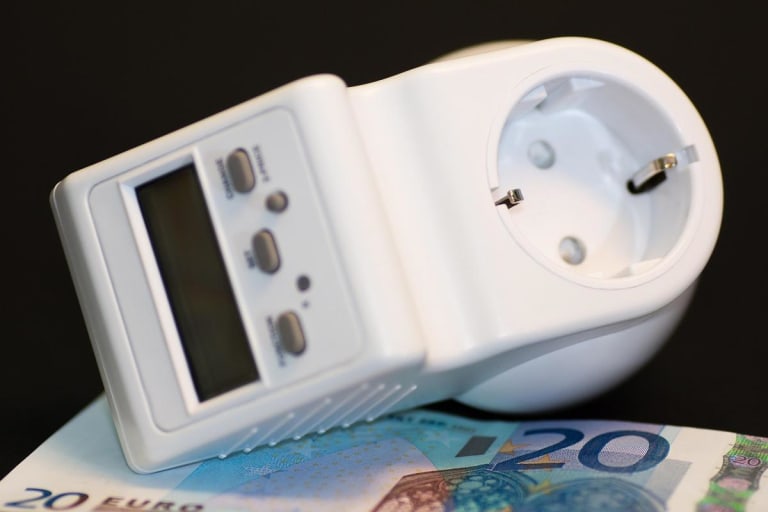
Ultimately, the electric bill reflects various costs, ranging from generation and transmission to taxes and the operation of the distribution network.
This ambitious program from Âmbar Energia signals a promising future for electricity distribution in Amazonas, aiming to balance capacity expansion, infrastructure reinforcement, and loss reduction, all within the strict regulatory framework established by ANEEL. The expectation is that by 2031, the region will have a more modern, reliable, and efficient system.