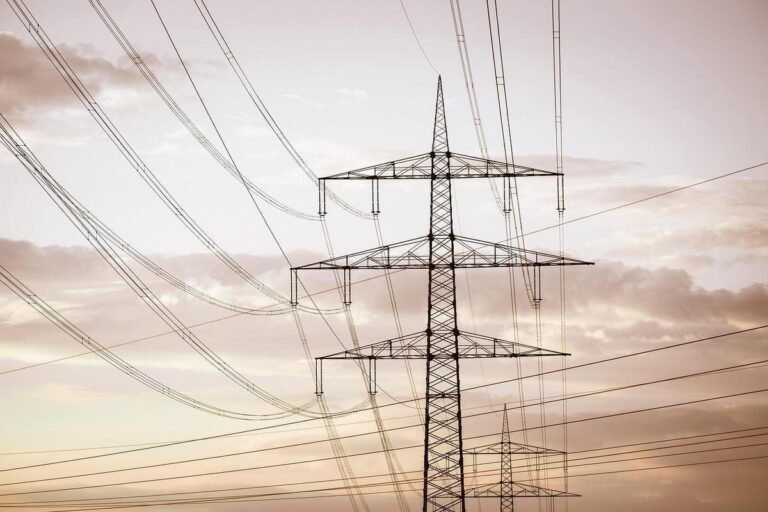
The relationship between electrical infrastructure and wildfires is putting utility companies under legal scrutiny. Experts explain that criminal liability depends on rigorous technical proof of a causal link between grid failures and the ignition source.
The critical combination of prolonged drought and high temperatures has turned the environmental landscape into a tinderbox, bringing electrical infrastructure to the epicenter of discussions regarding environmental liability. In several cases, the proximity of clean energy or conventional distribution networks to dry vegetation raises questions about company culpability in the face of natural or man-made disasters.
However, criminal defense attorney André Fini Terçarolli clarifies that the mere presence of cables or utility poles near an outbreak of fire is not enough to constitute a crime by the utility companies. For criminal liability to be established, it is essential to provide technical proof that a deliberate action or omission by the company was the determining factor for the start of the fire.
The rigor of expert forensic analysis in the power sector
The complexity of these cases requires a meticulous analysis of various factors. Investigations must integrate operational records, weather conditions, and satellite data to determine the origin of any electric arc or grid failure beyond a reasonable doubt.
“Criminal liability cannot stem solely from the proximity between electrical infrastructure and the affected area. It is necessary to demonstrate the existence of conduct prescribed by law, a causal link, and, depending on the crime under investigation, the presence of intent or negligence,” states André Fini Terçarolli.
The expert reinforces that technical forensics is the only path to substantiate accusations. Without clear evidence, such as insulator failures or direct vegetation contact with the power grid, superficial accounts or impressions lack the legal weight to support a criminal conviction.
Prevention as a legal and operational strategy
Brazilian legislation allows for the criminal prosecution of the legal entity itself in cases of environmental crimes, provided it is proven that the failure resulted from decisions made in the company’s interest or for its benefit. Therefore, rigorous maintenance and monitoring have become essential pillars of risk management.
“Forensics may look for signs of electric arcs, insulator failures, conductor ruptures, or vegetation contact with the grid. Without consistent technical evidence that the ignition had an electrical origin, isolated reports or initial impressions are not enough to establish a causal link and justify criminal liability,” the attorney explains.
Furthermore, the use of new technologies, such as drones and weather sensors, has been highlighted as a differentiator for utility companies seeking to protect ecosystems and avoid legal liabilities. Adopting emergency plans and preventive vegetation management around transmission lines are not just operational obligations, but vital compliance tools.
Impacts and the future of energy security
As extreme weather events become more frequent, asset management and wildfire prevention must be fully integrated into companies’ integrity policies. The alignment between technical operations and legal guidelines is the best defense for utility companies operating in high-risk areas.
“Investing in prevention, monitoring, and response protocols does not just mean fulfilling an operational or environmental obligation. It is also a protective measure for communities, ecosystems, companies, and the professionals themselves who are responsible for decision-making,” concludes Terçarolli.
Ultimately, the security of the electrical grid depends on a joint effort involving the private sector, regulatory bodies, and the precise application of the law, ensuring that the transition to a more efficient energy model also goes hand in hand with environmental protection and legal certainty.