The Aneel board has unanimously upheld the initiation of a process that could lead to the revocation of Enel São Paulo‘s concession, intensifying pressure on the utility following recurring service failures.
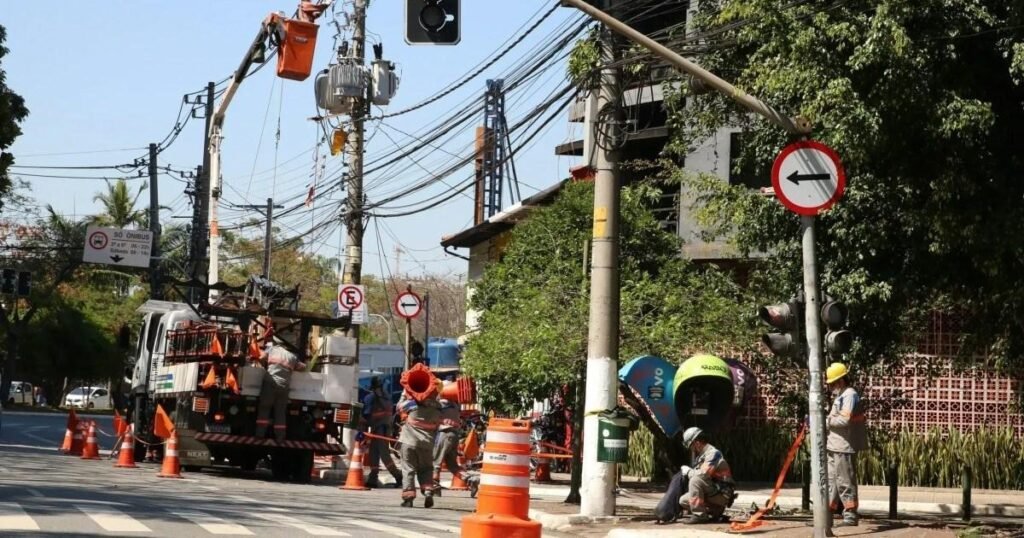
In a decisive move for the country’s clean energy and distribution sector, the board of the National Electric Energy Agency (Aneel) rejected an appeal filed by Enel São Paulo this Tuesday (11). The company had sought to annul the administrative proceedings launched to evaluate the forfeiture of its concession contract, which serves nearly 9 million properties across 24 municipalities in the state of São Paulo.
The decision, reported by director Fernando Mosna, keeps the company under strict regulatory scrutiny. While it does not represent an immediate loss of the right to operate, the outcome formalizes the most severe procedure the distributor has ever faced in the São Paulo metropolitan area, paving the way for a potential recommendation of contract termination to the Ministry of Mines and Energy (MME).
Trust crisis and structural failures
The forfeiture process is not an isolated event, but rather the culmination of years of friction between Enel, public authorities, and consumers. According to rapporteur Fernando Mosna, the palliative measures and various recovery plans established with the utility since 2019 have not been sufficient to resolve deep-seated operational problems.
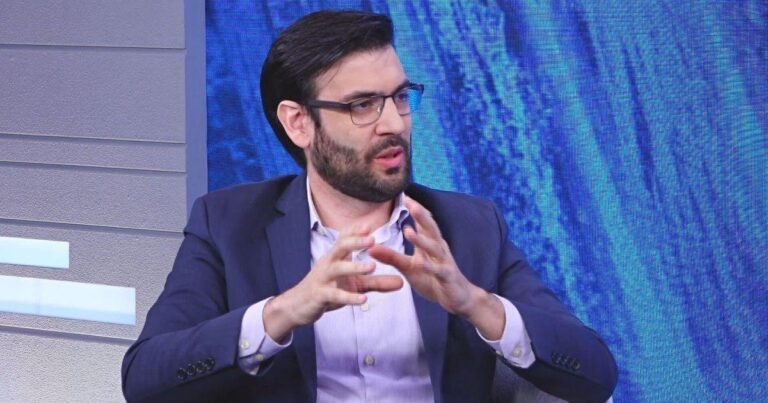
Director Fernando Mosna stated in his vote:
“The persistence of these failures highlights the lack of a structural solution, regardless of the results of any isolated indicator.”
He noted that 78% of the nine attempts at establishing performance improvement plans resulted in unsatisfactory outcomes.
The agency’s director-general, Sandoval Feitosa, was also incisive in highlighting the company’s track record. With more than R$ 320 million in fines issued—most of which remain unpaid—Enel faces mounting criticism regarding its crisis management capabilities, particularly following the blackouts that occurred in late 2025.
The stalemate over service quality
Enel argues that it has been recording steady improvements in its quality indicators and maintains that its response to the December 2025 event was superior to the interpretation provided by regulators. The company claims it restored power to 80.2% of affected customers within 24 hours, meeting targets that, while not formally agreed upon, demonstrate progress.
Aneel, however, disputes this methodology. According to the agency’s technical assessment, when applying the “simultaneous peak” criterion, the company’s restoration rate drops to 67%. For the regulator, the problem goes beyond restoration statistics.
The failure allegedly lies in team management, slow field dispatching, and a contingency plan that proved ineffective in the face of adverse weather conditions.
The development of this dispute takes on even more complex dimensions with the upcoming expiration of the concession contract, scheduled for 2028. With its renewal request currently suspended, Enel São Paulo is entering a critical period, where the stability of power supply for Latin America’s largest metropolis will determine its future in the Brazilian market.