The Brazilian industrial sector is undergoing a major shift toward energy self-sufficiency, recording a significant 300% growth in the installation of photovoltaic systems over the last five years.
More and more, Brazilian companies are integrating solar energy into their manufacturing plants as a core management strategy. This movement, aligned with a global trend monitored by the International Energy Agency (IEA), reflects the industrial sector’s urgency to balance operational efficiency with rigorous sustainability goals and the constant need to cut expenses.
According to recent data from the Brazilian Electricity Regulatory Agency (ANEEL), the number of self-generation units in the industry jumped from 14,800 in mid-2021 to an impressive 58,900 systems by July 2026. This 300% surge illustrates how photovoltaic technology has moved from a competitive advantage to a strategic pillar of national production.
Case study: Sustainability and productivity
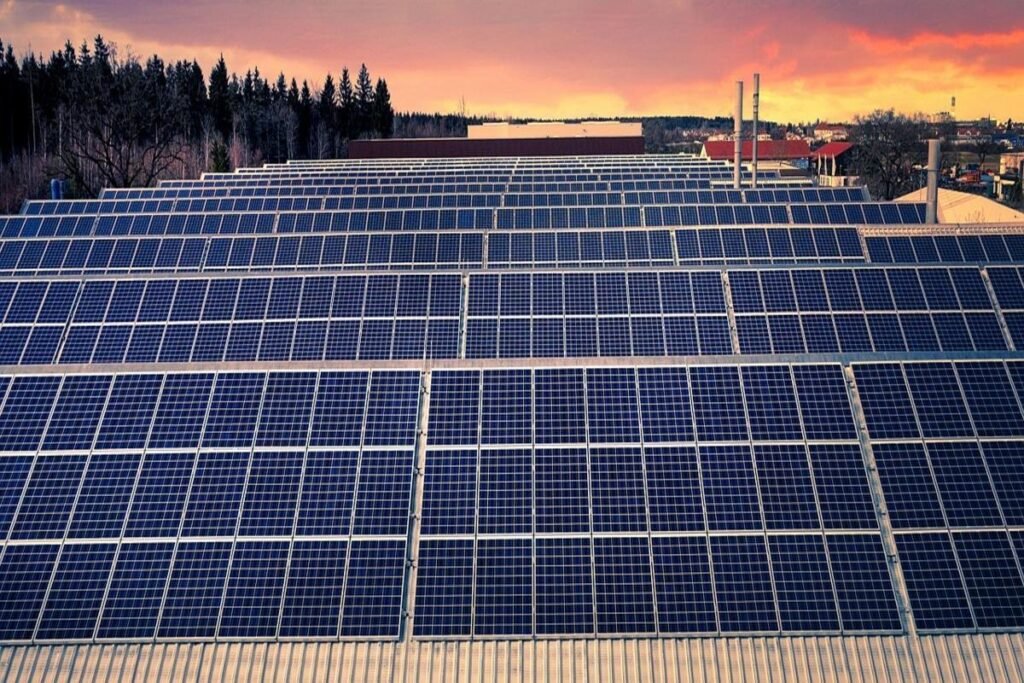
A practical reflection of this shift can be observed in the path taken by Emaster Elevadores Automotivos. Recently, the company expanded its renewable generation infrastructure by adding 500 new photovoltaic modules, reaching an installed capacity of approximately 300 kWp. This increase allows the factory to produce over 340,000 kWh of clean energy per year.
Beyond direct savings, the environmental impact of the measure is significant: the company projects the neutralization of approximately 13 tons of carbon dioxide (CO2) annually. For the company’s CEO, Flavio Fornasier, the implementation goes beyond environmental metrics.
“Growth and sustainability are not opposing goals; on the contrary, they go hand in hand. The industry must assume its role in building a more balanced future,” highlights Flavio Fornasier.
According to the executive, the expansion project arose precisely from the need to keep up with growing manufacturing demand, which required a more robust energy infrastructure. By investing in solar power, the company not only reduces its dependence on the conventional grid but also gains financial predictability—a determining factor for competitiveness in a global market increasingly demanding regarding ESG practices.