

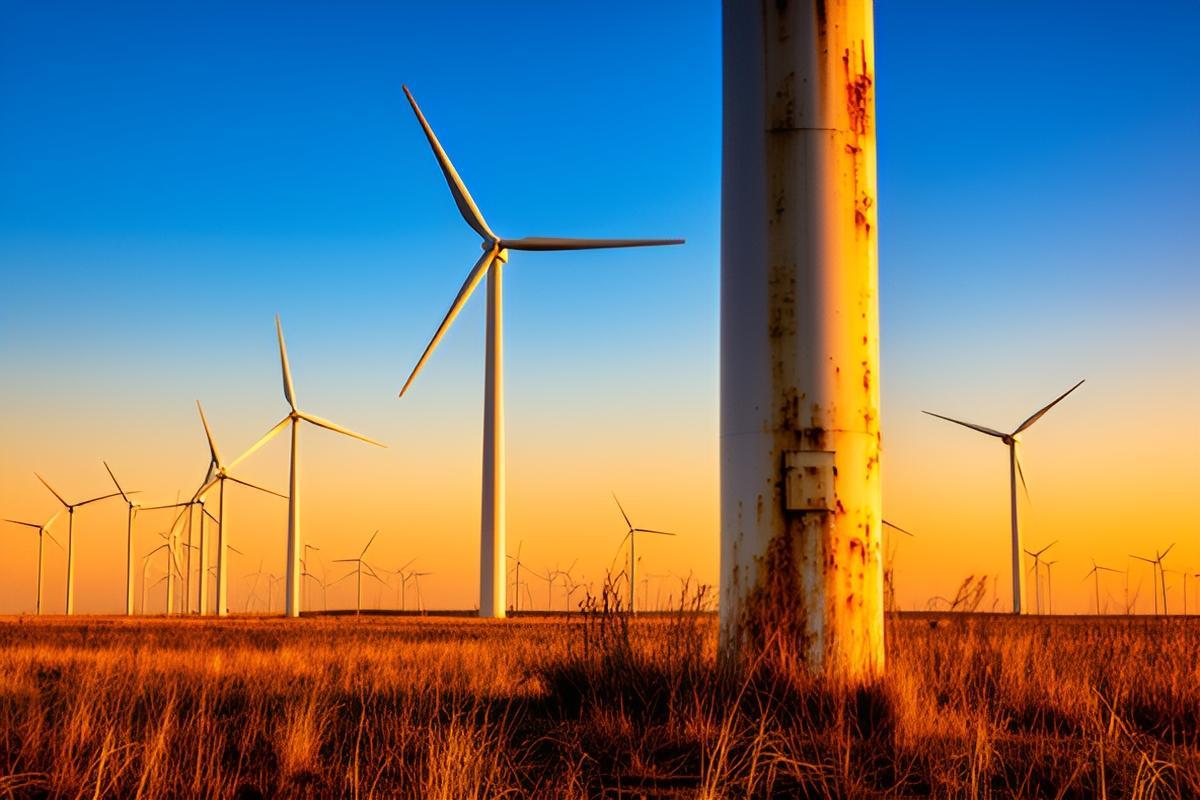
Wind Energy Association Challenges Exclusive Battery Cost Responsibility, Seeks Supreme Court Intervention Before Upcoming Energy Auctions
The Brazilian Wind Energy Association (Abeeólica) took a decisive step by filing a Direct Action of Unconstitutionality (ADI) with the Supreme Federal Court (STF). The core of the dispute lies in the interpretation and application of rules that determine the financing of energy storage systems, specifically batteries, in the electric sector.
The organization argues that the current directive, which assigns sole financial responsibility for these infrastructures to generators, is unconstitutional and detrimental to the development of the wind sector.
The urgency of the issue is heightened by the proximity of the energy auctions scheduled for December. Abeeólica seeks a precautionary ruling from the STF that suspends or revises the rule before these events occur, to prevent potentially unfair costs from being embedded in wind generator bids.
The association maintains that the expansion of renewable energy, especially wind, depends on a stable and predictable regulatory environment, and that the current unilateral cost imposition may discourage investment.
The Debate Over Battery Financing
The controversy centers on Normative Resolution No. 1,000 of the National Electric Energy Agency (ANEEL), which sets guidelines for the use of storage systems. Abeeólica believes that the regulation, by requiring generators to bear the acquisition and operation costs of batteries alone, ignores the collective nature and benefits that such systems bring to the stability and security of the National Interconnected System (SIN).
For the association, energy storage is a public interest service essential for mitigating the intermittency of renewable sources such as wind and solar, ensuring greater reliability in electricity supply. Thus, the financial burden should be shared by all sector participants, including distributors and consumers, or regulated in a more equitable manner.
A spokesperson for Abeeólica stated in an official statement:
Wind energy is a cornerstone of Brazil’s energy transition. We need a clear and fair regulatory framework that encourages, rather than penalizes, investments in new technologies and infrastructures that support renewable expansion.
The organization believes that the current rule creates a competitive imbalance and could raise the cost of clean energy.
Impact on Upcoming Auctions and the Sector
The STF decision on the injunction requested by Abeeólica will have direct implications for the December energy auctions. If the cost‑recovery rule is upheld, wind project developers will have to incorporate the high investment in batteries into their bids, potentially raising the price of the offered energy.
According to the association, this could compromise the competitiveness of wind relative to other sources. Conversely, a favorable ruling for Abeeólica, even if partial, could reopen the debate on how to share the costs and benefits of storage systems.
The association argues that the current regulation does not adequately reflect technological advances and the growing need for grid flexibility. The litigation in the STF also highlights the strategic importance of energy storage for the future of Brazil’s electric sector.
The ability to store energy generated during periods of high production for use when demand is higher or generation is lower is crucial for the large‑scale integration of intermittent renewable sources.
Next Steps and Future Scenario
The STF will now review the injunction request, which may be expedited due to the proximity of the auctions. Regardless of the preliminary ruling, the merits of the ADI will be decided later, determining the future allocation of costs for energy storage systems in Brazil.
Abeeólica hopes that the debate in the Supremo will foster a broader reflection on storage regulation, seeking a model that ensures the economic sustainability of projects and the country’s energy security.
The entity emphasizes its openness to dialogue with the granting authority and other sector stakeholders to find the best solutions. How the litigation is resolved could significantly shape future investments in wind energy and other renewable sources, as well as influence the overall cost structure of the electric sector. The industry is closely monitoring developments in the country’s highest court.