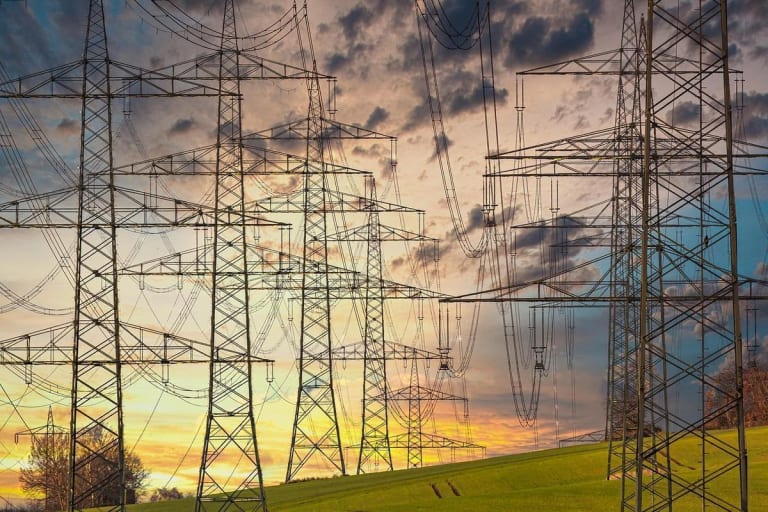
The clean energy sector faces a new challenge: in August, curtailment of wind and solar generation jumped 31%, totaling 5.26 million MWh wasted in the system.
The landscape for renewable energy in Brazil showed concerning data in August. Recent figures indicate that the volume of energy not injected into the grid due to operational constraints—a practice known as curtailment—rose 31% compared to the previous period.
This amount represents 5.26 million MWh that, despite being produced by clean sources, could not be utilized to meet demand.
The situation brings the year-to-date accumulated losses to 67.7 million MWh. Market experts are closely monitoring this growth, which poses challenges for both industry investors and national energy planning under the management of the ONS (National Electric System Operator).
Operational impacts and challenges
The phenomenon of curtailment typically occurs when transmission capacity is insufficient to handle the total power generated, especially in regions with a high concentration of wind and solar farms.
The increase recorded last month reflects an urgent need to expand the electrical grid to keep pace with the rapid growth of wind and solar generation in the country.
According to analysts at ePowerBay, the financial impact of this idleness has triggered an intense legal and regulatory debate in Brazil. The sector is seeking solutions to mitigate these losses and ensure that investments in renewable sources are efficiently converted into energy delivered to consumers.
The trend for the coming months remains under close observation, as the power system’s planning must reconcile the commissioning of new projects with the available infrastructure.
Optimizing these operations will be crucial for Brazil to not only meet its energy transition goals but also ensure the long-term economic viability of its renewable assets.