
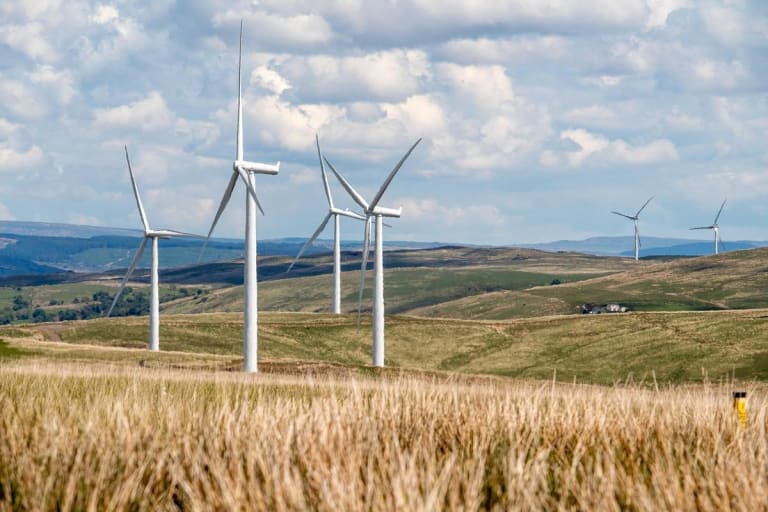
Representatives from the wind power and energy storage sectors are mobilizing to restrict the use of natural gas in data centers benefiting from the new Redata fiscal program.
The recent progress of Bill 278/2026, which establishes the Special Taxation Regime for Data Center Services (Redata), has raised concerns among segments of the renewable energy industry.
The controversy centers on the replacement of a strictly clean energy requirement with the term “low-emission,” which experts believe leaves the door open for large data centers to procure fossil-fuel-based thermal energy.
For the wind power and storage systems industries, these digital infrastructures represent a strategic long-term demand.
The sector aims to ensure that the growth of these power-intensive loads serves as a driver for new investments in renewable energy and batteries, preventing Brazil’s energy transition from losing momentum due to the entry of fossil fuels into the digital ecosystem.
Dispute over matrix regulation
The friction point lies in the ambiguity of the term “low-emission,” introduced through amendments in the Senate to the original text from the Chamber of Deputies.
The market fears that this legal loophole will undermine the country’s decarbonization commitment by allowing digital infrastructure to be powered by gas-fired thermal plants without the necessary environmental offsets.
Regarding this regulatory maneuver, Marcello Cabral, Director of New Business at Abeeólica, highlights the gas industry’s push to secure new markets:
The gas industry is actively seeking new niches, and the use of the term “low-emission” creates an indirect gateway for thermal power plants that operate on fossil fuels.
For Abeeólica, the inclusion of natural gas in Redata would only be technically defensible if the projects were strictly required to incorporate advanced carbon capture and storage technologies, ensuring that the environmental impact is mitigated in practice.
Legal uncertainty and next steps
The Brazilian Association of Energy Storage Solutions (Absae) emphasizes that the concept of “low-emission” is legally indeterminate.
The entity projects that the issue will be at the heart of intense regulatory battles during the implementation phase of the tax regime.
The renewable sector remains focused on the next developments of Redata, aiming to ensure that the expansion of the digital economy in Brazil goes hand-in-hand with sustainability.
The goal is to prevent the opening for new energy sources from compromising the national grid’s renewable energy targets by discouraging the direct procurement of clean sources.