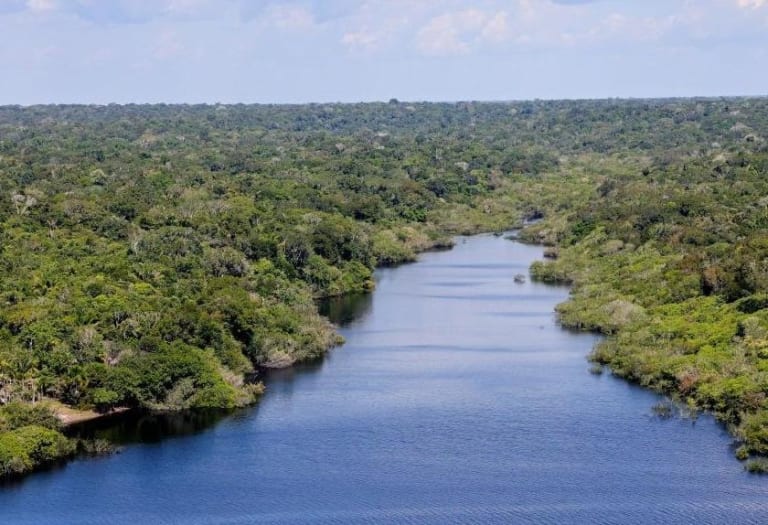
Thymos Energia projects an average PLD of BRL 170/MWh for the spring, driven by high reservoirs and favorable rains, indicating greater stability in the energy market.
The Brazilian electricity sector is preparing for a spring with expectations of more controlled energy prices. Thymos Energia, a renowned consultancy in the segment, released its projection for the Settlement Price of Differences (PLD), estimating an average of BRL 170 per megawatt-hour (MWh) for the period starting September 22. This forecast is welcome news for the energy market and for those interested in clean and sustainable energy, signaling a scenario of greater predictability.
The most relevant point of this analysis lies in the combination of positive factors supporting the projection. The water levels in reservoirs of hydroelectric power plants, combined with the prospect of normal or slightly above-average rainfall, create a favorable environment for moderating electricity costs. This context is fundamental for the country’s energy security and for attracting investments in clean energy.
Factors Driving PLD Stability
Thymos Energia’s analysis indicates that the Southeast/Midwest subsystem, crucial for the country’s energy generation, experienced a less severe dry period this year. This condition resulted in reservoirs that entered the spring with significantly high volumes. This water robustness is a foundation for the expectation of milder energy prices, reducing the need to activate more expensive and polluting thermal power plants.
The meteorological forecast also supports this optimistic view. The consultancy Nottus predicts that rainfall for the Southeast/Midwest should be within or even slightly above average. This scenario is particularly important for replenishing the main reservoirs that support the electricity sector.
Influence of El Niño and Rainfall Distribution
For October and November, Nottus highlights the influence of the El Niño phenomenon, which tends to concentrate the heaviest precipitation in regions such as Southern Brazil, São Paulo, and Mato Grosso do Sul. Additionally, rainfall is projected to extend to other areas of the Southeast and Midwest, also reaching the western Amazon.
This geographical distribution of rainfall is strategic. According to meteorological assessments, it can directly benefit regions with important rivers and reservoirs, which are vital for hydroelectric generation and, consequently, for the supply of clean energy in the country. Such a scenario minimizes risks of water scarcity and contributes to the system’s sustainability.
Market Dynamics and Continuous Monitoring
It is important to note that despite the favorable projection, Thymos Energia warns that the PLD is a dynamic indicator and may undergo variations. Energy prices are intrinsically linked to the evolution of inflows (water volume reaching the reservoirs), electricity demand, and general energy generation conditions throughout the spring. Therefore, continuous monitoring of these factors is crucial for energy market participants and for energy management.
The projection of a lower average PLD in the spring, driven by well-filled reservoirs and consistent rainfall, offers a horizon of greater stability for the energy market in Brazil. This scenario is positive for consumers and, especially, for fostering investments in clean and sustainable energy, by providing an environment of more predictable energy costs. However, vigilance over climatic conditions and energy demand will remain essential to ensure the robustness and security of the national electricity system.