
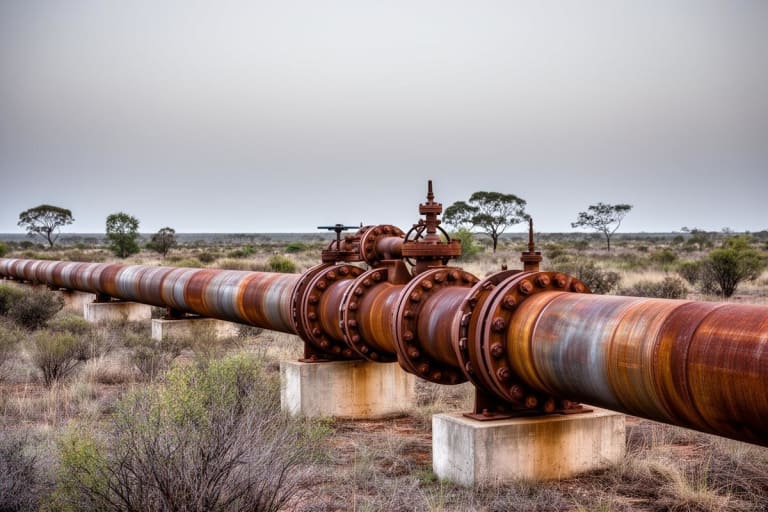
Discover how the innovative “virtual pipeline” model is transforming the logistics of clean energy and biomethane, overcoming bottlenecks and attracting investments from giants like J&F.
Brazil holds significant reserves and is preparing new infrastructure projects, but many industries remain distant from distribution networks.
It was precisely due to this gap between supply and delivery challenges that businessman Márcio Pinheiro built a solid track record in the clean energy and fuel sectors.
With over 20 years of experience, the expert participated in the development of Logás, a company specializing in supplying natural gas, liquefied natural gas (LNG), and biomethane to industrial units located outside the conventional grid.
This logistical alternative has revolutionized the national energy market and ensured industrial competitiveness across various regions.
The Virtual Pipeline Strategy in Practice
The operation of this ingenious structure resembles a pipeline on wheels.
The fuel is compressed or liquefied at strategic bases and transported by a fleet of specialized tanker trucks directly to consumer units.
At the destination, proprietary equipment handles regasification, fueling production processes without interruptions.
Márcio Pinheiro states:
“Industry cannot wait ten or fifteen years for a pipeline to reach its region. It is necessary to create solutions capable of connecting supply and demand in a safe and economically viable way. That was the need we saw in the market.”
This road-based supply requires rigorous route planning and 24-hour telemetry monitoring.
The objective is to anticipate replenishment needs and mitigate any risk of factory shutdowns, ensuring the operational stability required by the industrial sector.
The Advance of Biomethane and the J&F Takeover
Beyond fossil gas, the same logistical infrastructure efficiently serves the biomethane market—a renewable fuel derived from agricultural and urban waste.
This synergy connects rural producers to industries committed to reducing their carbon footprint and adopting sustainability practices.
Márcio Pinheiro analyzes:
“Biomethane brings energy production closer to regional economies. But this fuel only generates value when there is a structure capable of moving it from the source to the consumer. Logistics are fundamental to transforming environmental potential into economic activity.”
Recently, the operation took a significant leap with Cade’s authorization for the acquisition of a 90% stake in Logás by the holding company J&F.
The move reinforces the thesis that off-grid distribution is no longer a temporary fix, but has become part of the core strategy for large business groups.
The success of this logistical model demonstrates that the expansion of the Brazilian energy transition depends as much on large structural projects as it does on flexible solutions.
As new investments boost the market, the “virtual pipeline” is consolidating itself as an indispensable tool to interiorize development, create jobs, and ensure industrial competitiveness in the country.