
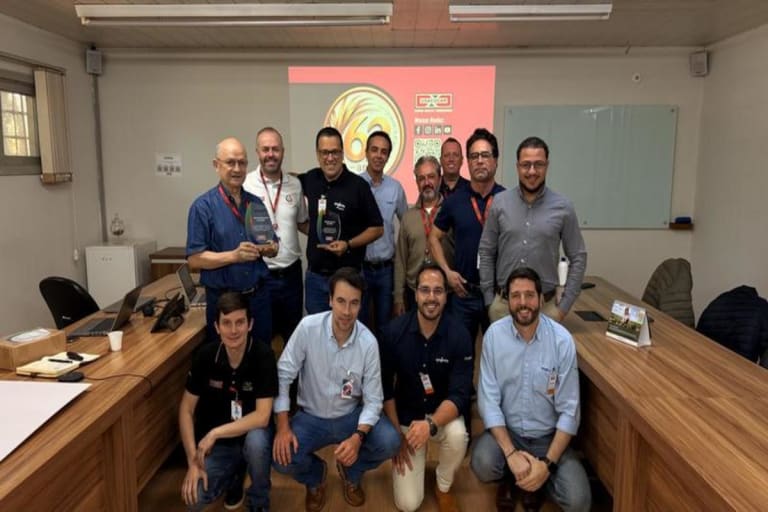
In a pioneering transaction in the sugar‑energy sector, Syngenta and Usina Santa Terezinha used CBIOs to move more than R$300,000 in agricultural technologies and promote decarbonization in the field.
The energy transition is gaining momentum in Brazilian agriculture with models that combine sustainability and financial innovation. In an unprecedented operation in the sugarcane segment, Syngenta and Usina Santa Terezinha joined forces to link biofuel production directly to investments in field technologies, using Decarbonization Credits as the medium of exchange.
The agreement marks an important milestone by turning environmental assets into practical solutions for farming. With a transaction that exceeded R$300,000 in orders, the initiative demonstrates how the carbon credit market can be applied in the day‑to‑day of agricultural production, driving the shift to a low‑carbon economy.
How CBIOs Work in Agribusiness
The operational model is based on the use of CBIOs—securities issued by biofuel producers based on emission reductions compared to fossil fuels. Each credit equals one ton of carbon dioxide that is avoided from the atmosphere. In practice, Usina Santa Terezinha used these assets to pay for chemical and biological inputs supplied by Syngenta.
This dynamic translates the guidelines of the National Biofuels Policy (RenovaBio) into concrete commercial operations. Thus, credits generated by the energy efficiency of ethanol production return to the productive sector in the form of technological innovation, creating a continuous sustainability cycle.
Strategic Vision and Sustainability
For leaders of both companies, the operation opens doors to a new format of asset and investment management. The integration between the environmental financial market and agricultural supply strengthens the commitment to long‑term sustainable practices.
This was Syngenta’s first CBIO transaction in the sugarcane sector and marks a significant step toward linking biofuel production, agriculture, and decarbonization agendas. By enabling the acquisition of agricultural innovations through CBIOs, we demonstrate how environmental efficiency can be turned into investment applied to production.
The impact of the initiative is also highlighted by the management of the Paraná plant, which sees the transaction as a way to translate environmental results into tangible economic value for agricultural activity.
CBIOs translate part of the environmental outcomes achieved in biofuel production into economic value. This partnership expands the use of this asset by allowing the credits generated by our operation to be converted into investment in the agricultural activity itself.
Future prospects for clean energy
The success of this pioneering operation paves the way for other companies in the sector to adopt similar strategies, involving both sugarcane and corn ethanol producers. The trend is for the clean energy and biofuels markets to further consolidate the use of green financial instruments, proving that profitability and environmental preservation can walk hand in hand in building an increasingly sustainable agribusiness.