
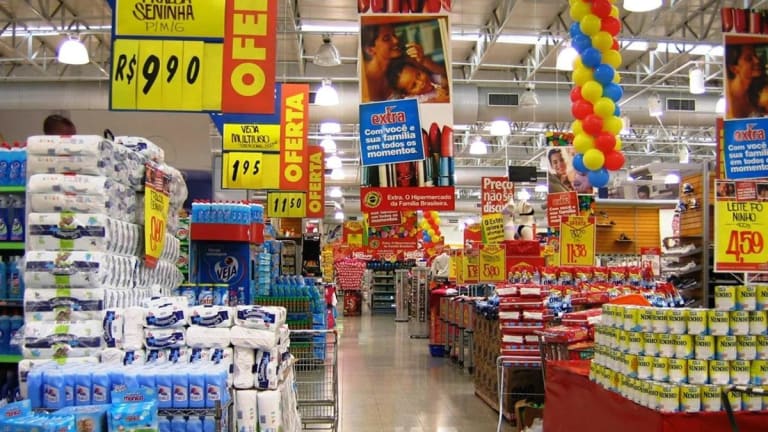
Brazilian workers’ behavior shifted in 2025: supermarkets overtook restaurants as the preferred destination for meal voucher spending, reflecting a new consumption strategy focused on savings and convenience.
The consumption habits of Brazilians using corporate benefits underwent a significant transformation in 2025. Recent data reveals that supermarkets and grocery stores have surpassed traditional away-from-home dining establishments, taking the lead as the primary destination for payments made with meal vouchers.
The study Panorama do RH 2026 (HR Landscape 2026), conducted by Caju, analyzed over 127 million transactions and painted a clear picture of this change. While the restaurant sector maintains considerable relevance, worker behavior indicates a growing preference for optimizing family budgets by purchasing ready-made meals from locations that accept the benefit.
The Rise of Convenience and Financial Management
The shift in the consumption ranking is not just a change in preference but a technical adaptation. The leadership of supermarkets in the meal voucher segment is largely driven by the availability of pre-packaged meals and ready-to-eat dishes in establishments with a MCC (the card machine classification code) compatible with this type of payment.
By centralizing purchases at food retail locations, workers gain greater control over their monthly expenses. The survey also reinforces the strategic role of meal-and-food vouchers, with supermarkets accounting for 41% of transactions, showing an average ticket of R$ 63.82, surpassing the R$ 56.43 observed for meal vouchers.
Benefit market specialists point out:
The integration of benefits reflects a structural change in Brazilians’ habits, as they seek to balance household stocking with the convenience of ready-made meals for their daily work routines.
Impacts on Workers’ Daily Lives
Another striking piece of data in the Caju report is the financial lifespan of the benefit. On average, the balance allocated for employee meals is consumed within about 15 days after deposit. This accelerated usage reflects inflationary pressures and the need for advance planning by families.
In addition to the food sector, the study mapped behavior in other essential areas:
- Health: Pharmacies remain dominant, concentrating 93.5% of total spending.
- Culture and Leisure: Consumption is predominantly digital, with streaming services leading investments in this category.
The trend for the coming months is the consolidation of these hybrid habits. HR technology companies and benefits managers are closely monitoring these changes, as they directly impact compensation policies and the perceived value of employee assistance programs.
Efficient balance management, combining supermarket purchases with convenience, is expected to define domestic economy trends throughout the next year.