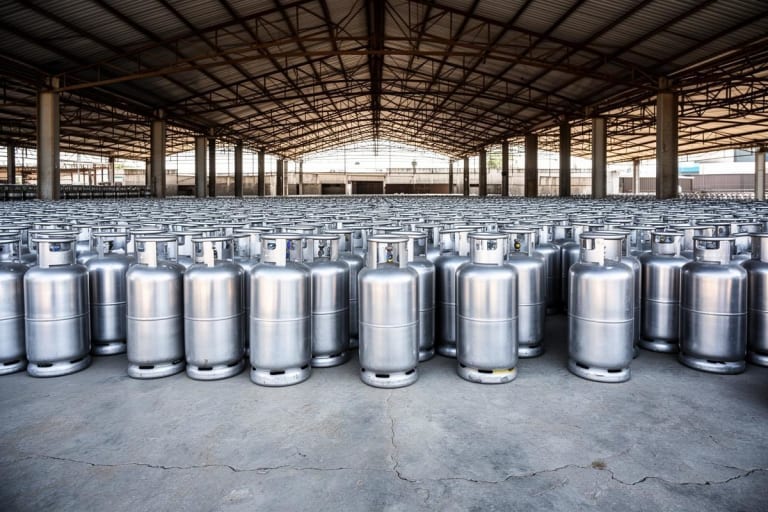
The LPG market is not growing as expected following the launch of Gás do Povo, leading the industry to request detailed studies on the program.
The liquefied petroleum gas distribution sector faces an unexpected scenario in the country. Even after the implementation of the Gás do Povo program, consumption growth has stagnated at levels below official industry projections.
The warning was issued by Ricardo Tonietto, Director of Institutional and Legal Affairs at Supergasbras, during his participation at ROG.e 2026. According to the executive, it is urgent to diagnose the reasons behind this stagnation to ensure the effectiveness of the energy transition among vulnerable populations.
Need for studies and operational adjustments
During an interview with studio eixos, the executive highlighted that the program is essential in combating energy poverty in Brazil. However, he advocated for technical improvements and more rigorous tracking of consumption metrics.
Among the main proposals presented by Supergasbras is a more dynamic adjustment of the reference price and accurate measurement of the population that has effectively stopped burning wood.
The important thing is for us to address this and carry out the necessary studies to show that those firewood users actually migrated to LPG.
Cultural challenge and transition to clean energy
Replacing traditional biomass with LPG runs into historical habits of the population. The executive stressed that many beneficiaries adopt a hybrid model, alternating between using gas stoves and burning firewood.
To consolidate the use of cleaner and less harmful energy sources for human health, the sector advocates for continuous awareness campaigns regarding the risks of smoke and household pollution.
Next steps for the energy sector
A detailed understanding of Gás do Povo data is seen as a key element to improving public policies for social inclusion and sustainability in Brazil.