Home batteries unite to form a ‘virtual power plant’ and stabilize California’s grid
In a remarkable milestone for distributed energy, a network of over 140,000 residential batteries in California successfully delivered a peak power output equivalent to a large power plant in a single day. The event, which took place on September 9 during an intense heat wave, demonstrated the potential of homes to act as crucial support for the electrical grid during periods of high demand.
The initiative, led by Sunrun and Tesla—with roughly 110,000 Powerwall units accounting for 517 MW and additional batteries managed by Sunrun adding 63 MW—injected a total of 580 MW into the power grid. This coordinated discharge, which lasted for three hours during the evening period, was made possible through programs regulated by the California Energy Commission and local utility regulators.
For homeowners with solar energy storage systems, this episode opens up a new perspective. Beyond securing backup power for their own homes, batteries can become a valuable asset, contributing to the stability of the electrical system in exchange for compensation, in accordance with established agreements.
Virtual Power Plant: The power of energy collaboration
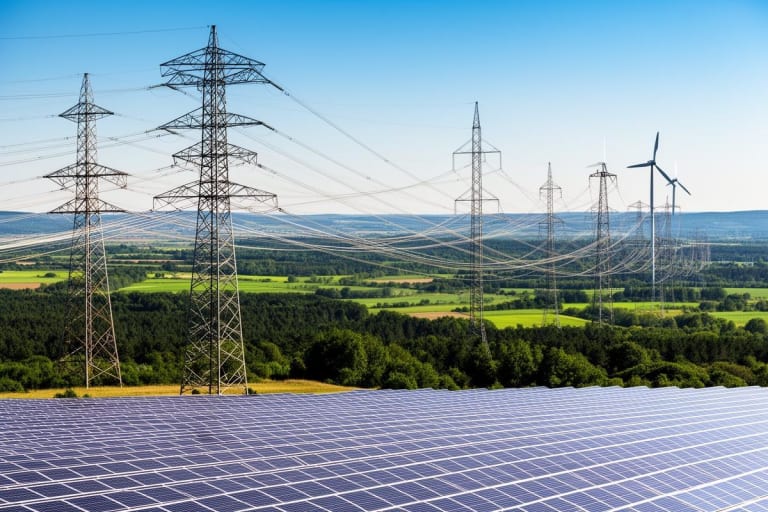
The formation of this “virtual power plant” exemplifies how thousands of individual devices, when coordinated, can generate a significant collective impact. Instead of relying on a single centralized source, energy is mobilized from multiple distributed sources, respecting the need for domestic backup power and contractual conditions.
Although this impressive feat in California marks a major milestone, it is important to note that its direct applicability in Brazil still depends on specific regulations and local incentive programs. The integration of these technologies requires clarity in connection, metering, and remuneration rules, as well as the definition of business models that benefit both consumers and utilities.
The California case reinforces the idea that the future of energy lies in intelligence and collaboration. The ability to manage and dispatch energy stored in residences to meet grid demands in real time opens up a wide range of opportunities to optimize the electrical system, fostering greater resilience and large-scale efficiency.