
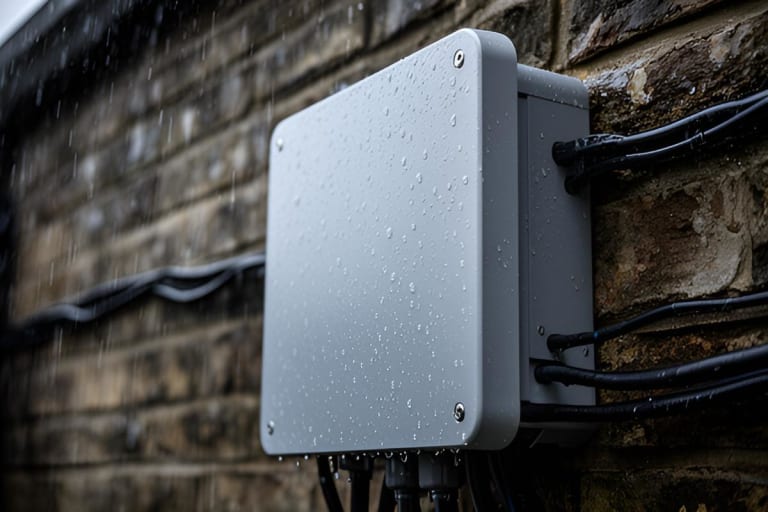
Solar inverters can fail after storms if the electrical grid lacks adequate surge protection devices, reveals a recent study by the Universidade de Pernambuco.
A passing storm can be enough to interrupt solar energy generation at a home or business, leading to an unexpected electric bill at the end of the month. For those who have already invested in renewable sources, shielding the brain of the photovoltaic system against lightning strikes and sudden voltage fluctuations is just as vital as choosing high-efficiency modules. A recent study brings new evidence about the vulnerability of these devices when subjected to extreme events.
The research, conducted in partnership between specialists from the Universidade de Pernambuco (UPE) and manufacturer CLAMPER, sheds light on a common question among consumers: is the built-in protection provided by manufacturers really enough to shield the system? Tests demonstrate that, in many scenarios, relying solely on the unit’s native features can leave the installation vulnerable.
What laboratory tests reveal
During technical testing presented at ICLP 2026 and reported by the specialized portal Canal Solar, three 5-kW inverter models were subjected to simulated electrical surges. Without external device reinforcement, the units began to fail after just a few impacts on both the direct current circuit and the alternating current side.
On the other hand, when researchers added coordinated external protections, the equipment successfully withstood the maximum limit of surges established in the experiment’s protocol. The external devices managed to divert much of the destructive energy, although specialists emphasize that the laboratory simulates controlled conditions and does not replace the unpredictability of a direct lightning strike in the field.
The built-in protection declared by manufacturers does not always settle the debate on the safety of the entire electrical infrastructure against severe surges.
How to shield your photovoltaic system
To avoid high financial losses and downtime in clean energy generation, the solution lies in a detailed review of the electrical design. Owners of photovoltaic systems should request the complete diagram and component specifications from their installer, verifying the presence and correct sizing of SPDs (Surge Protection Devices).
In addition, experts recommend paying close attention to grounding quality and coordination between internal and external protections. The mere existence of a distribution box on the property does not guarantee effectiveness if the components are not sized for the geographical reality and storm exposure of that specific region.
Investing time in checking documentation and conducting preventive maintenance with qualified professionals drastically reduces the risk of catastrophic failures. In the clean energy market, anticipating weather damage is the best way to protect assets and ensure the financial predictability of distributed generation.
RELATED NEWS
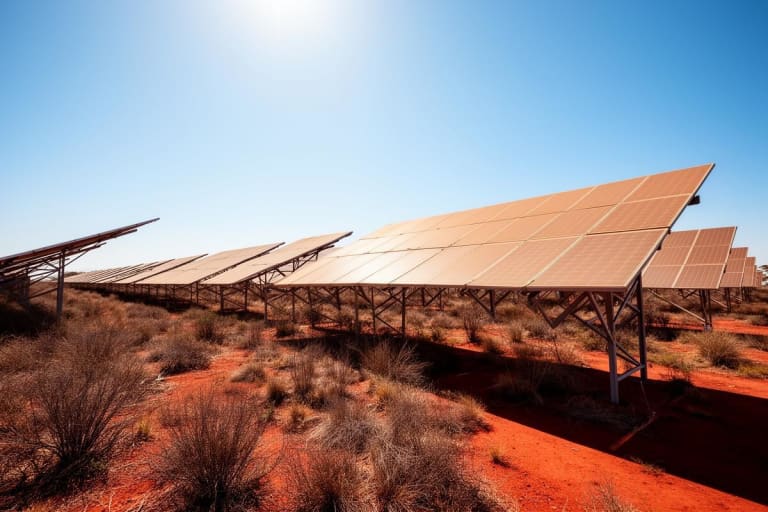 Petrobras and BP Partnership Cancels Solar Park in Rio Grande do Norte Due to Power Curtailment
READ MORE
Petrobras and BP Partnership Cancels Solar Park in Rio Grande do Norte Due to Power Curtailment
READ MORE
 Brazil’s Ministry of Mines and Energy updates rules for Paraguayan electricity imports in the free market
READ MORE
Brazil’s Ministry of Mines and Energy updates rules for Paraguayan electricity imports in the free market
READ MORE
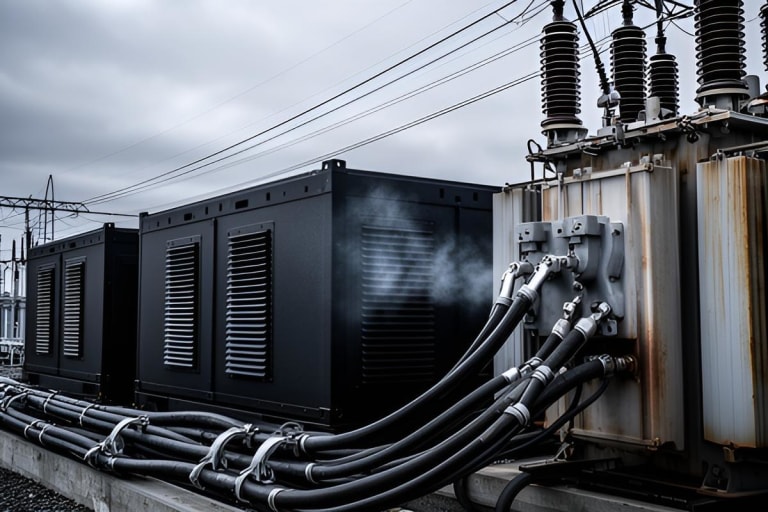 ONS suggests discount on battery charges for power plants delivering peak capacity
READ MORE
ONS suggests discount on battery charges for power plants delivering peak capacity
READ MORE