
Study reveals significant impact of El Niño on inhabited areas of the Amazon
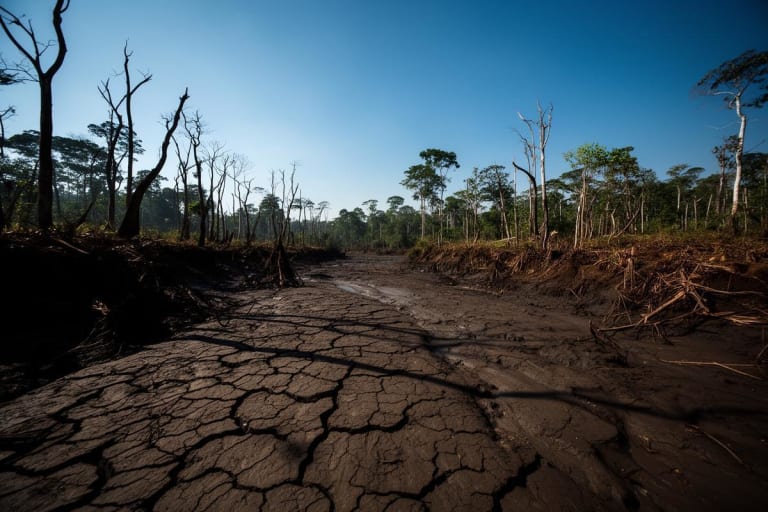
A recent survey indicates that the El Niño phenomenon, during its most recent occurrence in 2024, severely affected nearly 40% of populated areas in the Amazon. The research, released by Mapbiomas, shows that out of 5,673 inhabited locations, 2,172 experienced intense effects from the climate event.
El Niño, characterized by the warming of Pacific Ocean waters, alters rainfall patterns and raises temperatures, resulting in more pronounced drought and heat conditions in the Amazon region. Researchers analyzed rainfall data and water availability to map the extent of the impact.
Consequences of Intensified Drought
Between September and November 2024, the Amazon region recorded a 1.9 million hectare reduction in surface water compared to the historical average. Rainfall volume also saw a 27% deficit, while the average maximum temperature during the period was 2.6ºC higher than historical records.
Bruno Ferreira, a researcher at Imazon, notes that this combination of lower rainfall and elevated temperatures intensifies the loss of soil moisture and causes water stress in vegetation. These conditions have a direct impact on the lives of local populations.
The study identified that 93% of the analyzed locations are within 5 kilometers of areas impacted by water scarcity:
The drought also manifests in the reduction of river levels, with consequences for transportation, access to water, fishing, and other activities that depend on river systems.
In addition to the direct effects of El Niño, the study recalled that over the course of 41 years, the Amazon has lost 3.9 million hectares of native vegetation, representing a 14% decrease in original green cover.
These data reinforce the vulnerability of the biome and its populations to extreme weather events, especially against a backdrop of forecasts for a “Super El Niño” for the current year. The information was compiled from Mapbiomas land cover and use data, water and atmospheric data, as well as information from IBGE and Inmet.