Lula and Flávio Bolsonaro diverge on plans for strategic minerals; the Amazon in the crosshairs.
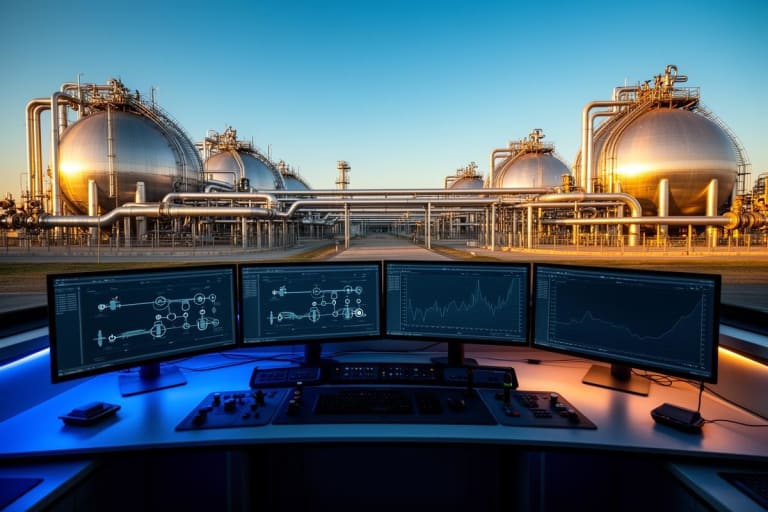
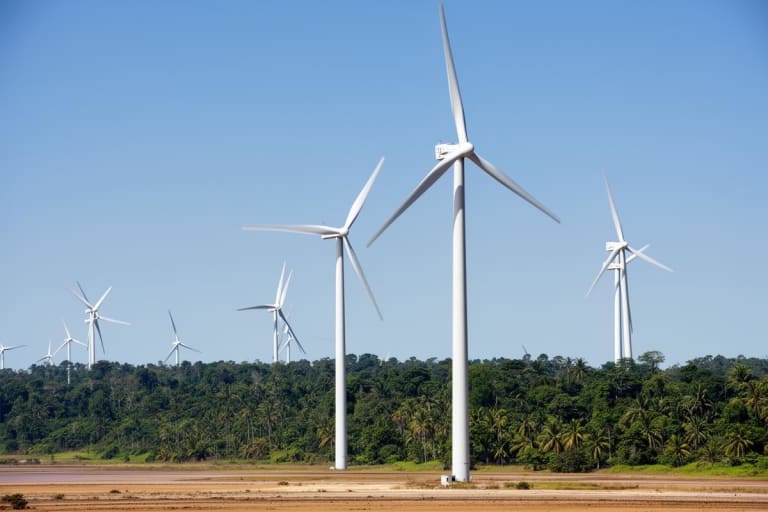
The exploration of critical and strategic minerals in Brazil is reaching a pivotal moment, with the leading presidential candidates offering sharply different visions. With the Amazon hosting 48% of the processes related to these resources, future regulations will have a direct impact on the region, defining everything from socio-environmental safeguards to the involvement of local communities. An analysis of their government plans and speeches reveals a clash between defending national sovereignty and accelerating exploration to attract foreign investment.
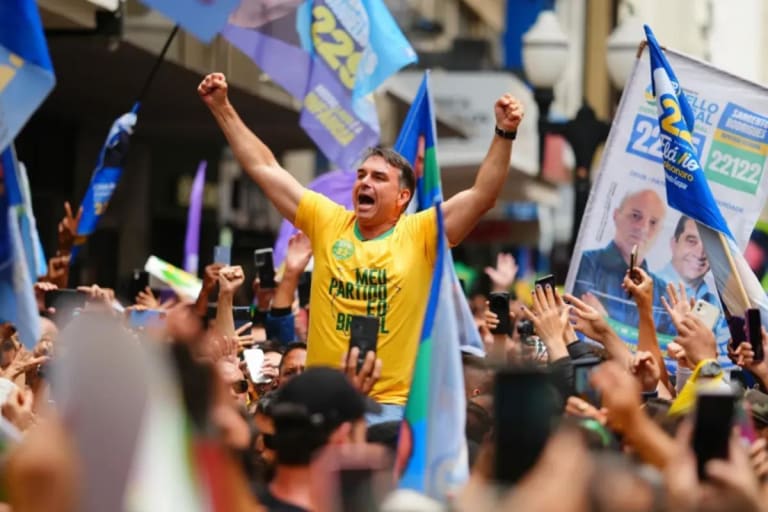
The debate over how Brazil should manage its mineral wealth is critical for the future of the national industry and environmental protection. While President Luiz Inácio Lula da Silva advocates for a development model that prioritizes sovereignty and the internal production chain, candidate Flávio Bolsonaro proposes faster environmental licensing and a strategic partnership with the United States, targeting supplies for the energy transition and the defense industry.
The Amazon at the Center of the Dispute
The Amazon region, which holds a significant share of critical and strategic mineral deposits, has become the epicenter of this discussion. How the National Policy for Critical and Strategic Minerals, signed into law in September, is regulated will determine the course of exploration. Crucial issues such as licensing procedures, mitigation of environmental impacts, civil society participation, and consultation with indigenous populations will be on the agenda for the next administration, with decisions that could shape the socio-environmental future of the world’s largest tropical rainforest.
Lula: Sovereignty and Neo-industrialization
President Luiz Inácio Lula da Silva has reiterated his commitment to national sovereignty, advocating for the development of Brazilian industry from mineral research to the creation of higher-value-added products. His government platform focuses on neo-industrialization, a project aimed at integrating research, processing, and industrialization with a focus on ecological transition and decarbonization.
Lula stated in his UN address:
We possess the critical minerals and rare earths that the world needs for the energy transition. Our natural wealth belongs to the Brazilian people, and it will be exploited for their benefit.
Experts note that although the intention is to strengthen domestic production, achieving this goal requires time and substantial investment. There is also concern that the exploration of these minerals might increase pressure on territories and communities, or intensify deforestation and conflicts in the Amazon, necessitating robust socio-environmental safeguards.
Flávio Bolsonaro: Acceleration and International Partnership
Conversely, Flávio Bolsonaro proposes a path of accelerated and simplified environmental licensing, aiming to drastically reduce approval times for mining projects. His government plan signals a strong alignment with the United States, with the intention of providing essential inputs not only for technological innovation and the energy transition, but also for the American defense industry.
Flávio states in his plan:
We will establish international partnerships with all countries that seek cooperation with Brazil, without prejudice or ideological baggage.
This approach raises debates about the country’s true independence in exploring its resources, carrying the risk of greater deregulation of the sector and the persistence of a raw material export model, while environmental and social impacts remain in Brazil. The proposed partnership with the US to supply critical minerals, especially rare earths, is intended to break dependence on China and strengthen American national security.
A Future at Stake
The divergence between the plans of Lula and Flávio Bolsonaro for the exploration of strategic minerals points to distinct paths for the future of Brazil. How the regulation of the new policy is handled will determine whether the country prioritizes sovereignty and sustainable development with environmental and social safeguards, or chooses to accelerate exploration, seeking external partnerships and simplifying processes—with potential risks for the Amazon and local communities.
The need to strengthen bodies such as the National Mining Agency and environmental licensing authorities is a common point raised by experts, as it is essential to ensuring the responsible management of these vital resources.