The arrival of spring rains is expected to raise reservoir levels in Brazil’s south-central region, strengthening energy security and boosting the efficiency of renewable sources.
The season of blooms brings significant relief to the Brazilian electricity sector. According to the latest analyses from Nottus, a market intelligence consulting firm, above-average precipitation forecasts for the coming months in the country’s south-central region are expected to act as a natural boost for water recovery.
This scenario is crucial for ensuring system stability during a period of climate transition.
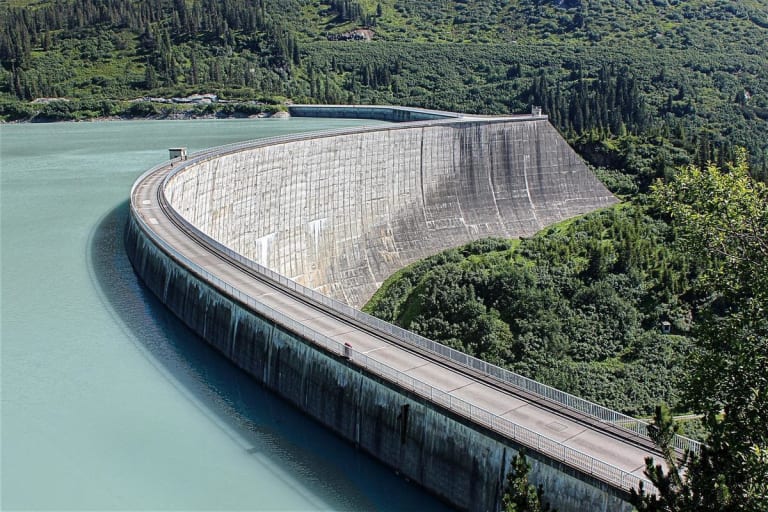
The expected increase in water volume in reservoirs not only ensures supply for the coming months but also optimizes the dispatch of hydroelectric plants.
With a more robust system, the country gains momentum to capitalize on the accelerated growth of renewable sources, consolidating a more sustainable energy matrix less dependent on costly fossil fuels.
Optimism in the Energy Sector
Experts at Nottus emphasize that the convergence between favorable rain patterns and the expansion of clean energy projects creates a secure environment for investors and consumers.
Water recomposition reduces the need to activate thermal power plants, which translates into greater predictability for the operational costs of the national electricity system.
The regularity of rainfall in the south-central region is a decisive factor in maintaining the balance of energy supply, allowing the country to continue its transition towards an increasingly green and resilient matrix.
Outlook for a Sustainable Energy Matrix
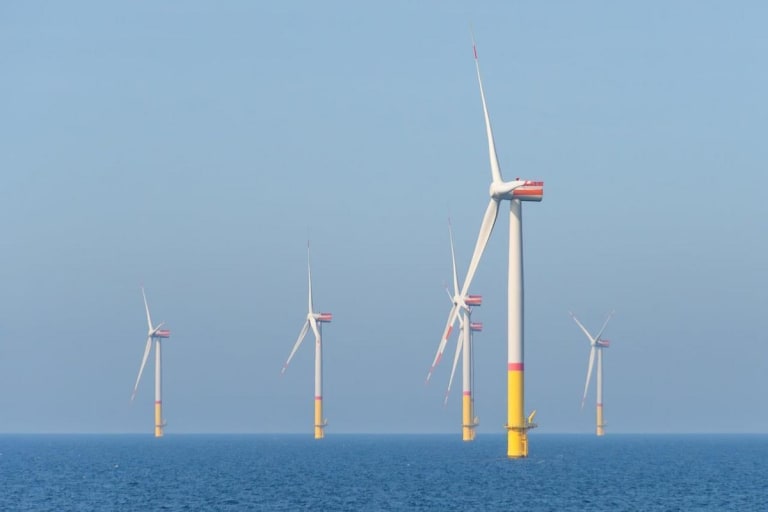
The impact of this recovery goes beyond simply supplying energy. By raising storage levels, the country gains room to maneuver in managing the intermittency of other sources, such as solar energy and wind energy. This complementarity is the pillar supporting Brazil’s decarbonization goal in the coming years.
Looking ahead, the expectation is that this improvement in hydrological conditions will serve as a solid foundation for the continuity of energy auctions and the development of new infrastructure.
With Nottus’s support in continuously monitoring these variables, the sector is preparing to face climate challenges with greater efficiency, ensuring a stable supply aligned with global sustainability standards.