
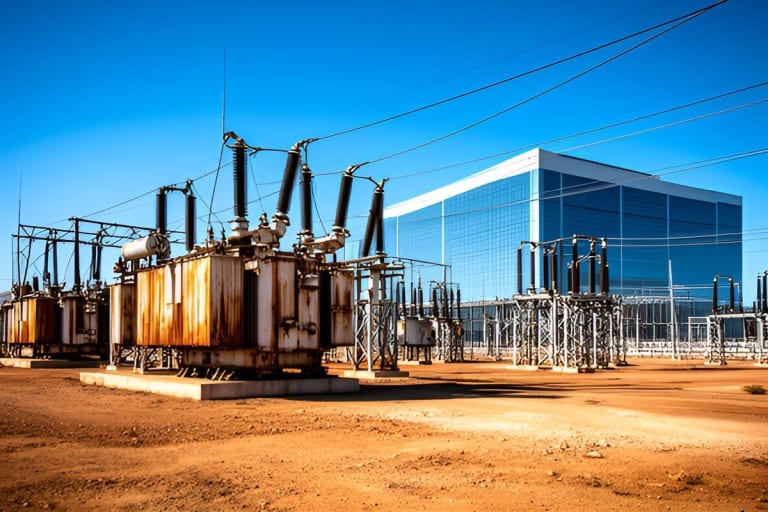
Spain has restructured its regulatory framework to compensate distribution companies for integrating new energy loads, aiming to meet the demand of data centers and industries in transition.
The Spanish government approved a significant change in its energy policy to encourage utilities to optimize existing electrical infrastructure. The measure seeks to unlock connections for large energy consumers.
Presented during Coniben 2026, held in Lisbon, the directive directly benefits high‑demand sectors such as data centers and industries accelerating their electrification processes.
CNMC (National Commission for Markets and Competition) councilor Enrique Monasterio explained that the new remuneration model focuses on strategic targets to modernize the sector.
New remuneration model and strategic incentives
Spanish regulation now adopts the Totex concept, a methodology that jointly analyzes capital investments and operating expenses of distribution companies.
The system establishes three core pillars of incentive: continuous improvement of service quality, reduction of loss volume, and expansion of new load connections.
The main goal is to encourage creative operational solutions to integrate new customers, bypassing technical bottlenecks in the network without the need for complex works.
When detailing the approved guidelines, Enrique Monasterio stated:
“The more demand a distributor can connect, the more it will be compensated.”
To provide predictability for investors in the electric sector, Spain maintained the fixation of regulatory cycles with a regular six‑year duration.
Network flexibility and transparency for investors
Another innovation introduced by the CNMC was the implementation of flexible access to the distribution network, allowing connections tied to specific usage times.
This format serves industries interested in replacing fossil fuels with electricity, provided they commit to reducing consumption during peak periods indicated by the utilities.
Additionally, distributors and transmission operators will be required to disclose monthly the available capacity at system connection points.
Challenges of Solar Expansion and Its Impact in Brazil
Spain currently has about 56 GW of installed photovoltaic capacity, a rapid expansion that has led to frequent episodes of negative electricity prices.
Against this backdrop, the Spanish market is looking to promote storage and shift consumption to times of higher renewable energy production.
The international experience has also influenced discussions at the National Electricity Agency (Aneel) regarding tariff modernization in Brazil’s power sector.
During the event, Aneel’s general director, Sandoval Feitosa, advocated for advancing flexible operational mechanisms in Brazil to avoid unnecessary long‑term infrastructure costs.
The progress of flexibility policies reflects a global trend of adapting grids to the expansion of clean sources and the new active role of consumers.