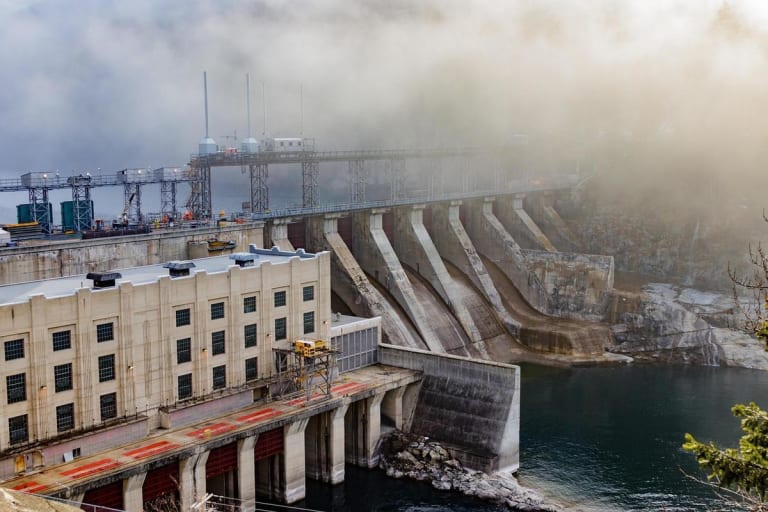
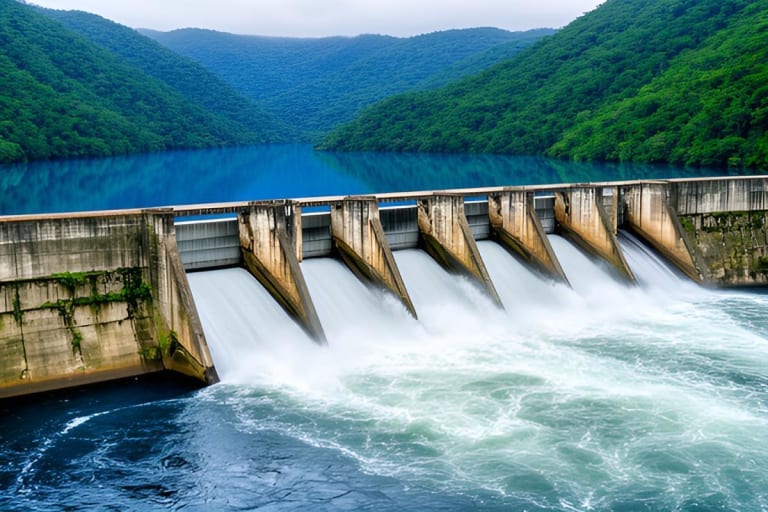
Southern reservoirs reach an impressive 82.6% of capacity, while the Northeast and North regions record slight drops in the national electricity sector.
The status of water resources in Brazil shows significant contrasts between geographical regions.
Recent data released by the National Electric System Operator (ONS) reveals that river basins in the country’s South region have experienced significant growth, consolidating high levels for clean and renewable energy generation.
This robust volume provides greater security for the National Interconnected System during this period.
Conversely, other areas of Brazilian territory are following an opposite trajectory in water storage.
While southern states celebrate this abundance, technical monitoring points to modest but steady reductions in the volumes stored in the country’s major basins.
Experts in energy transition are closely monitoring these fluctuations to ensure supply stability.
Behavior of reservoirs in other regions
According to official bulletins, the outlook for basins in the Northeast and North regions saw a 0.4 percentage point retraction in total capacity.
This variation reflects the rainfall patterns characteristic of the season and the continuous demand for sustainable energy to supply both local and interregional consumer markets, requiring heightened attention from energy sector managers.
At the same time, the Southeast and Central-West submarket—considered the true heart of the Brazilian electricity system—also showed a 0.2% decline in its reservoirs.
Even with this negative fluctuation, the figures in these areas remain at safe levels, allowing for flexible operation of hydroelectric plants without immediate risk of shortages.
Experts state:
Constant monitoring of river basins is essential to optimize the energy matrix and ensure the country continues to advance toward a future with increasingly clean and renewable sources.
Current water storage dynamics reinforce the importance of diversifying Brazil’s production matrix.
With the South operating at highly comfortable levels and other regions managing minor reductions, the strategic planning of the National Electric System Operator will remain the key to balancing supply and demand in the coming months, ensuring the country’s economic and environmental stability.